 Quick Answer: Why Is My Winter Heating Bill So High?
While rising energy costs are one reason for high winter heating bills, other factors may also be at play. These include your thermostat settings, poor insulation and the age of your furnace. Once you know about these and other causes of high heating bills, you can take proactive steps to address them and lower your bills.
- Poor insulation or air leaks
- Drafty windows and doors
- Dirty or clogged air filters
- Lack of regular furnace maintenance
- An old or inefficient heating system
- Leaking ductwork
- Incorrect thermostat settings or placement
- Rising fuel and energy costs
- Poor home heating habits
9 Reasons Your Winter Heating Bill Is So High (and How to Fix Each One)
High home heating bills in the winter are burdensome, but you don’t have to suffer financially throughout the coldest months of the year. Here are nine reasons why your heating bills could be high and what you can do about it.
1. Poor Insulation or Air Leaks
Insulation acts as a blanket around your home, keeping warm air inside. Poor insulation allows warm air to escape through the walls, attic and basement. As a result, your furnace will run more frequently and for longer periods of time to maintain the desired temperature.
Fix: Prevent air leaks by adding new insulation in all of the exterior walls of your home. In addition, use caulk and weatherstripping to seal problematic air leaks.
2. Drafty Windows and Doors
The seals around your exterior doors and windows will gradually deteriorate. As a result, warm air escapes the home and causes the furnace to work harder all winter. Single-pane glass windows are also less insulated and result in heat loss.
Fix: Address damaged seals and gaps around exterior doors and windows with weatherstripping and caulk. If your home has single-pane windows, upgrade to energy-efficient windows that are better at keeping warm air inside. Using thermal curtains inside the home adds another insulating layer around the windows.
3. Dirty or Clogged Air Filters
In order to operate most efficiently, the warm air produced by the furnace must flow freely into the home. Dirty and clogged air filters partially impede the airflow. This means that the furnace must work harder to propel the warm air into the home. As it works harder, it consumes more energy.
Fix: Check your furnace’s maintenance instructions regarding air filter replacements. Generally, air filters should be replaced every one to three months.
4. Lack of Regular Furnace Maintenance
Your furnace works hard every day throughout the winter to maintain a comfortable indoor climate. As it works, dust and dirt build up on its functional parts.
Parts also wear out over time. These factors result in reduced efficiency and drive up bills.
Fix: Prior to the start of the cold weather season, schedule an annual tune-up with a licensed HVAC technician. During the tune-up, the technician will clean the blower, check the heat exchange and complete other important tasks to ensure optimal performance.
5. Old or Inefficient Heating System
Modern furnaces are designed to be far more energy efficient than those produced just 15 years ago. In addition, furnaces gradually lose efficiency with age. If your furnace is older than 15 years, it may be consuming more energy than necessary.
Fix: Explore the benefits of upgrading to a high-efficiency furnace or heat pump. Doing so can yield lower energy bills throughout the winter. With available rebates, the cost of a new system may be more affordable than you think.
6. Leaky Ductwork
Air ducts carry the warm air produced by the furnace into your rooms. Leaks allow the air to escape, which forces the furnace to work harder than necessary. The result is higher electric bills.
Fix: If you spot an obvious leak, seal ducts with mastic. For more thorough results, a licensed HVAC technician can inspect and repair the ductwork.
7. Incorrect Thermostat Settings or Placement
Your thermostat’s placement in the home affects temperature control. For example, if it’s located in direct sunlight or near a draft, constant cycling or overheating can occur. Thermostat settings also affect your furnace’s energy consumption.
Fix: Install a smart or programmable thermostat. When you’re at home, set the thermostat to 68°F when home. For times when you’ll be away from home for a few hours or longer, adjust the thermostat a few degrees lower.
8. Rising Fuel and Energy Costs
Regardless of whether your furnace uses electricity, natural gas or oil, energy costs impact cost. Overall, energy prices have been rising, leading to higher bills.
Fix: Several options are available to combat rising energy costs. Ask your utility provider about budget billing or assistance programs.
9. Poor Home Heating Habits
Something as simple as leaving a window cracked open or blocking an air vent with a large piece of furniture can result in higher energy bills. Closing doors and heating unused rooms are also problematic.
Fix: Ensure that all windows are closed, and keep doors closed as much as possible. Dress warmer so that you’re more comfortable with a lower thermostat setting. Remove obstacles around air vents. In unused rooms, close air vents.
How to Lower Your Winter Heating Bill
 You can enjoy lower heating bills without being uncomfortably chilly during the winter months by making a few changes.
Simple Everyday Adjustments
There’s no need to keep the house warmer when you’re away or sleeping. Program your thermostat setting a few degrees lower during these times. Improving air circulation can enhance your furnace’s functionality.
Switch ceiling fans to reverse to drive warm air downward. You can also take advantage of daytime heating by keeping the curtains open. When the temperature drops at night, close the curtains to better insulate the windows.
Long-Term Solutions
In addition to these simple daily fixes, you can make more substantial changes to further reduce energy consumption and lower bills. For example, upgrading to a high-efficiency furnace delivers built-in savings.
Sealing leaky ducts and adding insulation allows your new system to work more efficiently. You can also upgrade to a smart thermostat to better control the temperature in your home.
When to Call a Professional
While there are many steps you can take around the house to lower energy bills, there are some situations that require professional assistance. For example, if your bills are spiking despite improved heating control habits, a professional inspection is beneficial.
You should also contact a professional if your home has uneven heating, persistent drafts or a furnace that’s over 15 years old.
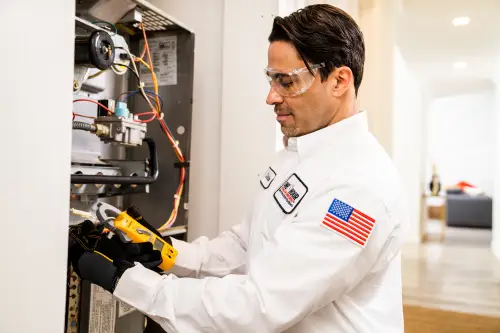
A licensed HVAC technician will complete an inspection as a first step. This inspection includes testing the system’s efficiency and sealing ducts. You may also receive upgrade advice based on the age of your system.
FAQs About High Heating Bills
What’s the average heating bill in Florida during the winter?
The average heating bill in Floria during the winter is around $276 . However, heating costs vary based on the size of the home, the cost of energy at the time and other factors.
How much can dirty filters increase my heating costs?
A dirty air filter can increase home heating costs by as much as 15% or more.
Is it cheaper to leave heat on all day or turn it down?
It’s best to set your thermostat several degrees lower when you’ll be away from the house for a few hours or longer.
What temperature should I keep my house in winter to save money?
To maximize energy efficiency and save money in the winter, the ideal temperature setting is 68 degrees when you’re at home.
Key Takeaways
 • Most high heating bills come from heat loss, poor maintenance, or outdated systems.
• Fixes range from simple DIY steps, like replacing dirty filters, to substantial upgrades, like better insulation and more efficient system.
• Steps to prevent energy waste for winter home heating result in lower bills, more comfort, and longer equipment lifespan.
Lower Home Heating Costs This Winter
Understanding the causes of energy waste is the first step to control home heating costs this winter. At One Hour, we offer expert heater maintenance to homeowners in Jacksonville, FL, and surrounding areas.
We always deliver great results and focus on customer satisfaction. We’re always on time, or you don’t pay a dime. Don’t let high bills drain your wallet. Contact One Hour for a heating efficiency check today.