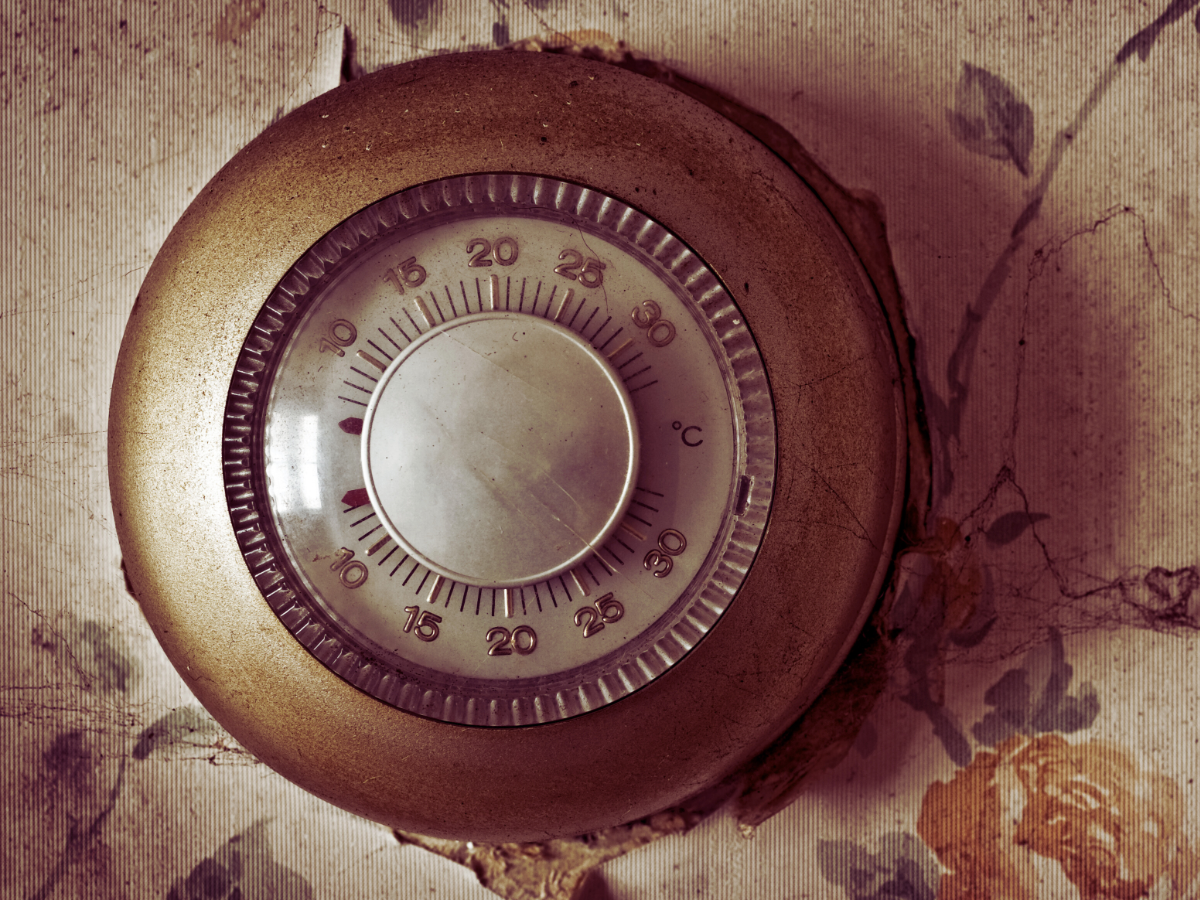
 Prolonged heat and occasional cold snaps in Jacksonville, FL, turn HVAC systems into lifelines. However, central heating and air are nothing without a functioning thermostat. As a homeowner, you must be able to determine when to replace your thermostat.
Key Takeaways
🔹 No thermostat lasts forever – most have a functional life of 10 years
🔹 Replace your thermostat if it shows malfunctioning signs – temperature inconsistencies, HVAC short-cycling, or increased energy bills
🔹 Consider upgrading to a smart thermostat before your old one dies – this will boost comfort and cut energy use
How Long Do Thermostats Typically Last?
Your thermostat’s longevity depends partially on the type.
- Manual – 10 to 15 years
- Digital or programmable – 10 years
- Smart – 7 to 10 years
Factors that shorten your thermostat’s lifespan include power surges, poor placement, and dust buildup. Watch for signs of wear before total failure.
- Inconsistent temperatures throughout the home
- HVAC won’t turn on or off consistently
- Inaccurate temperatures readings
Why Your Thermostat Matters More Than You Think
Your thermostat is likely an apparatus you set and forget. Nevertheless, it functions as the brain of your heating and cooling system, detecting signals through its sensors and relaying them to the HVAC unit. For this reason, thermostats are critical for comfort and savings.
11 Telltale Signs It’s Time to Replace Your Thermostat
Inaccurate Temperature Readings
Nothing screams, “Replace your thermostat!” more clearly than one that no longer gives the correct temperature. If basic troubleshooting doesn’t resolve inaccurate readings, replace your thermostat.
Frequent HVAC Cycling (On/Off)
If your air conditioner or central heat continuously turns on and off, it prevents your HVAC system from mixing air properly. This leads to pockets of hot or cold air and an overworked unit. While a few issues can cause your HVAC system to short-cycle, some involve your thermostat.
- Faulty sensor
- Placement – if it is too hot or cold where your thermostat is, it can short-cycle your HVAC system
Rooms Feel Too Hot or Cold
When rooms in your home are not heating or cooling properly, it is often because your thermostat fails to signal your HVAC system appropriately.
Thermostat Doesn’t Respond to Changes
An unresponsive thermostat can indicate faulty wiring, sensors, or components. While you can resolve some issues with simple approaches, such as new batteries, it may be time for a replacement thermostat.
HVAC System Won’t Turn On or Off
If your HVAC system doesn’t turn on or off, it can be the thermostat rather than your central air conditioning and heating system. Again, any component failure of your thermostat will prevent appropriate commands from reaching the HVAC unit.
Thermostat Screen is Blank or Flickering
A blank or flickering thermostat could indicate you need to change the batteries. However, it could also mean your thermostat is wearing down.
Recent Spike in Energy Bills
Sometimes, your only indication of a dysfunctional thermostat is a spike in your energy bills.
Thermostat Settings Reset Themselves
If your thermostat changes settings without input, schedule an evaluation or replacement with One Hour Heating and Air Conditioning. We’re always on time, or you don’t pay a dime.
Older Than 10 Years
When your thermostat is ten years old, it is a good idea to replace it. A thermostat shows wear and tear with age.
Loud Clicking or Relay Noises
While some clicking is normal, if your thermostat is making constant relay noises, it indicates a problem communicating with your HVAC unit.
No Scheduling or Smart Features Available
If scheduling or Smart features disappear from your thermostat, a dead battery is a possibility. However, you may need to replace the appliance.
How to Troubleshoot Before Replacing
 Dirty sensor – check for dust and clean gently with canned air
- Recalibrate your thermostat
- Explore for wiring issues – contacting a professional is often your best bet
Recalibration Tips
Symptoms that you may need to recalibrate your thermostat are spiked energy costs and inaccurate temperature readings. While you can find calibration methods for your thermostat model in your manual, a professional can eliminate the hassle.
Is a repair possible vs. Is repair worth it?
Some thermostat problems, such as rapid cycling and unresponsiveness, can indicate wiring problems or weak batteries.
When dealing with older models, replacement is often more viable than repairs. Parts are more difficult to find the longer you have had your thermostat. Moreover, newer models offer savings on your energy bills along with more user-friendly displays and functions.
Benefits of Replacing Your Thermostat
💡 Precision temperature control
📉 Lower energy costs
📱 With smart models, enjoy features like geofencing, remote access, or voice control
🧠 Smart thermostats also learn behavior for personalized comfort
⚙️ Better compatibility with modern HVAC systems
Choosing the Right Replacement Thermostat
Manual vs. programmable vs. smart
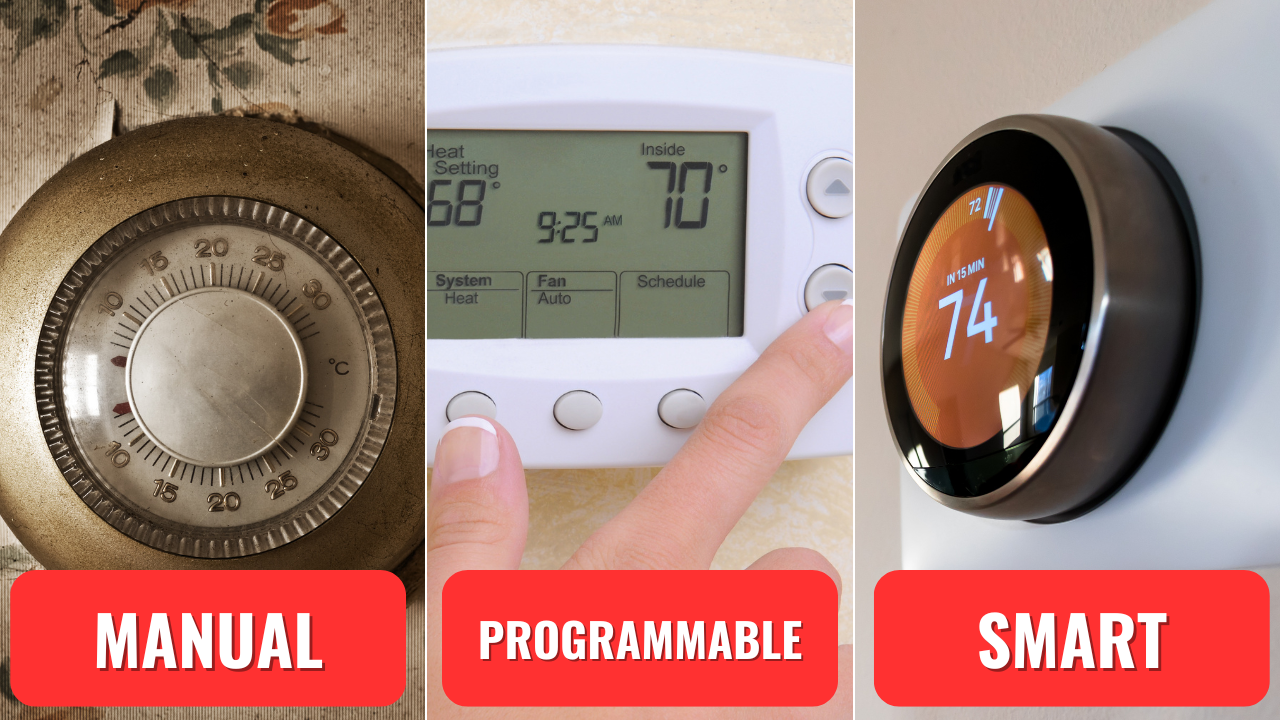 Manual thermostats are more straightforward to use than programmable or smart units, but less accurate. Digital thermostats offer programming capabilities, allowing pre-set temperatures.
Smart thermostats link to your Wi-Fi (Wi-Fi-enabled). This permits remote control and energy tracking via a phone app. App support is a desirable feature with smart thermostats. These thermostats also learn your patterns and schedule downtimes accordingly.
Zoned systems can work through multiple thermostats, a single panel, or dampers to set customized temperatures for different rooms or areas.
HVAC Compatibility
Thermostat and HVAC incompatibility will, at the very least, increase your energy costs. Your thermostat may not work properly, if at all. Consider the following criteria:
- Voltage – is your HVAC system low- or high-voltage?
- Wiring system – do you need a C wire?
- Old systems may not work with smart thermostats
- HVAC system – a multi-stage system or one with a heat pump requires a specialized thermostat as opposed to single-stage HVACs.
DIY vs. Professional Installation
If your new thermostat is compatible with your existing system and requires no wiring modifications, you can install it yourself. Follow safety precautions.
The benefits of professional installation include a correct setup, warranties, and system syncing.
How to Extend the Life of Your New Thermostat
- Change your filters regularly and keep your thermostat dust-free.
- Avoid thermostat placement near a window, under a vent, or in the kitchen – sunlight, drafts, and excessive heat are hard on thermostats
- Surge protectors shield your thermostat.
- You must update firmware for smart thermostats periodically.
FAQs
How do I know if my thermostat is bad or if it is my HVAC system?
You may need a professional to determine if your thermostat or HVAC system is causing improper cooling and heating. Frequent cycling and not keeping accurate temperatures are thermostat symptoms.
Can a thermostat cause my AC to not turn on?
Yes, if your thermostat doesn’t work, it won’t send signals to your AC.
Do smart thermostats really save money?
Smart thermostats save money by optimizing energy use based on occupancy and pre-set preferences.
Is it worth replacing your HVAC without upgrading the thermostat?
When replacing an old HVAC, it is ideal to upgrade your thermostat. However, emergency HVAC replacements are worthwhile, even if you cannot upgrade a functional thermostat.
How long does it take to install a new thermostat?
It takes about an hour to install a thermostat.
Book a Thermostat Evaluation or Upgrade Now
 Are you experiencing symptoms of a malfunctioning thermostat?
- Skyrocketing utility bills
- Thermostat keeps incorrect settings or is unresponsive
- Air conditioner runs continuously or fails to turn on
- Thermostat is over 10 or needs an upgrade
When you experience signs of a failing thermostat, book an evaluation or upgrade with us at One Hour Air Conditioning and Heating. We also offer thermostat installation services in and around Jacksonville, FL. Schedule an inspection through Jacksonvilleonehour.com. We’re always on time, or you don’t pay a dime.