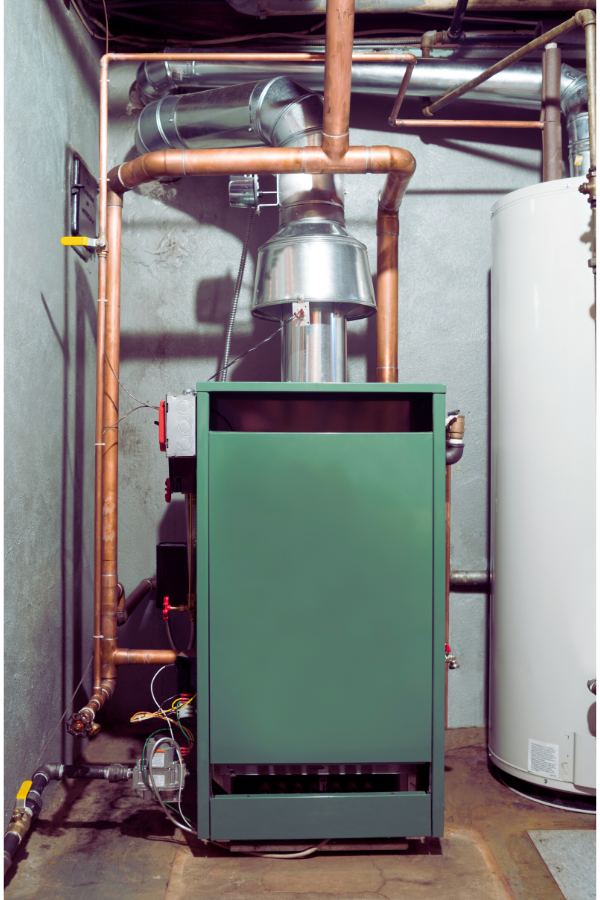
 The annual fuel utilization efficiency rating, more commonly called AFUE, is one of the most basic metrics for a heating system’s performance. AFUE rating is a solid number for telling how efficiently a furnace will run and what its total cost of ownership is likely to be.
Alongside factors like ductwork, proper sizing, and professional installation, AFUE is a strong indicator of real-world performance.
Quick Takeaway
- AFUE stands for Annual Fuel Utilization Efficiency
- It measures the ratio of usable heat to exhausted waste
- A 95% AFUE means 95 cents become heat and 5 cents are lost
- A higher AFUE means lower energy bills, better comfort, and quieter operation
- While AFUE matters, correct sizing, quality ductwork, and professional installation are equally important
- Mild Jacksonville winters mean high-AFUE systems often take longer to pay for themselves in efficiency gains
What Does the AFUE Rating Mean? (Simple Version)
AFYE is a percentage, originally drafted by the American Society of Heating, Refrigerating, and Air Conditioning Engineers. It has since become a mandatory standard, thanks to the U.S. Department of Energy.
Ultimately, AFUE indicates how much of the input fuel actually becomes output heat. If your system has a 97% AFUE, that means 97% of the heat actually warms your home, while the rest is lost through radiation, exhaust, and other system inefficiencies. In short, a 97% AFUE system spends 97 cents of every dollar warming your house.
How AFUE Ratings Are Calculated
AFUE is a full-season metric and not a one-time measurement. The number compares total seasonal fuel consumption against the total delivered heat in your house.
You can verify an expected AFUE rating by comparing the input and output BTU ratings on the unit’s label. The output divided by the input should yield a percentage pretty close to the AFUE.
The government tests AFUE ratings across all manufacturers. Over the course of a season, the tests fully account for inefficiencies that often come with:
- On/off cycles
- Pilot light consumption when the furnace isn’t running
- Heat losses during startup and shutdown
AFUE Rating Categories: What’s Low, Standard, and High Efficiency?
80% AFUE is the baseline standard for a furnace in the U.S. This means 20% of the heat is wasted. Furnaces in the 80-85% range are common in the Jacksonville area, especially in well-insulated newer houses where owners don’t want to incur high upfront costs.
90-95% AFUE units are the middle ground, and 95% or higher is generally seen as high efficiency. In the Jacksonville region, high-AFUE systems have the most benefit in older houses that aren’t easy to retrofit with insulation. Homeowners who prioritize efficiency and quietness over costs also frequently select high-efficiency units.
The mild winters in Jacksonville mean it takes longer for a high-AFUE system to pay for itself. A high-efficiency system is likely to cost more upfront, and you need to realize significant efficiency gains to justify the cost.
In the north, where winters have furnaces running much of the day for weeks on end, this is an easy call. In Jacksonville, you will have to think harder about the math.
What AFUE Doesn’t Tell You
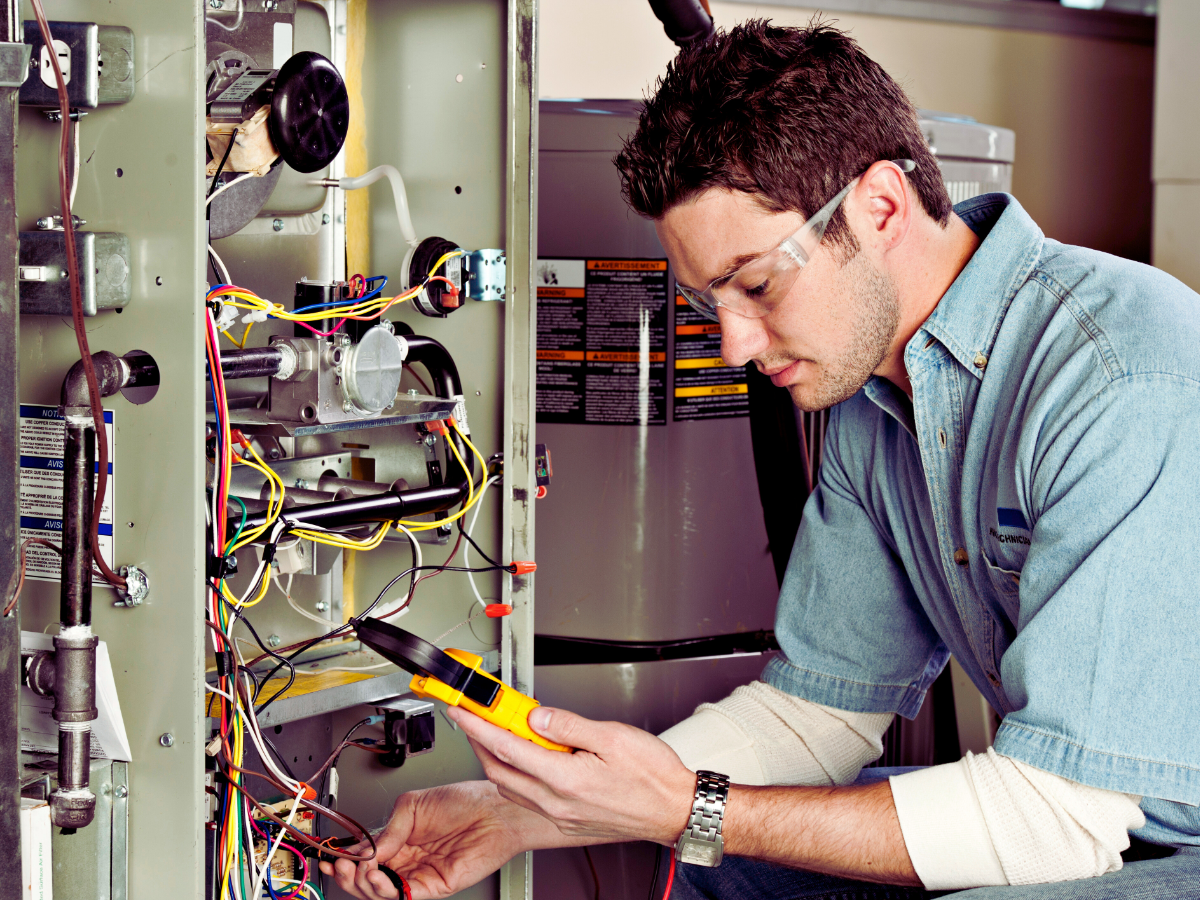 AFUE only tells you about the efficiency of the furnace itself. System losses will appear in other areas.
These usually include:
- Poorly sealed ducts, which often incur 20-30% of a heating system’s inefficiency
- Limited home insulation
- An improperly sized or configured unit
- Thermostat placement and programmability
Consider what happens if a homeowner attaches a 95% AFUE furnace to poor ductwork. They have essentially stepped down to something like 85% efficiency. As professional HVAC technicians, we strongly encourage customers to assess the efficiency of the entire system rather than getting laser-focused on AFUE.
AFUE vs. Actual Home Efficiency
A house’s total building envelope is arguably more important than its heater’s efficiency. Leaky windows, doors, and ducts all cause significant energy losses.
Likewise, you want to have your home’s walls, attic, and crawlspaces properly insulated. Not only do these changes improve overall heating efficiency, but they also benefit cooling efficiency in the summer.
In Jacksonville, you have specific local considerations. High humidity levels affect heat distribution and comfort. Older Jacksonville houses often have poor insulation.
Concrete block construction is common in the region, generally increasing heat retention through greater mass. Also, elevated houses in the region often suffer efficiency losses, especially if their ductworks are exposed underneath.
Benefits of Choosing a High-AFUE Furnac
Even though savings are more modest in the Jacksonville region, a 15-20 year lifespan means there are still decent returns on a high-efficiency system. You can expect less energy waste and lower heating bills.
Also, high-efficiency units normally last longer and require fewer repairs. Efficiency encourages better humidity control, too. Your overall environmental footprint will be lower, and the system will operate quieter and more comfortably.
Is a High-AFUE Furnace Worth It in Jacksonville?
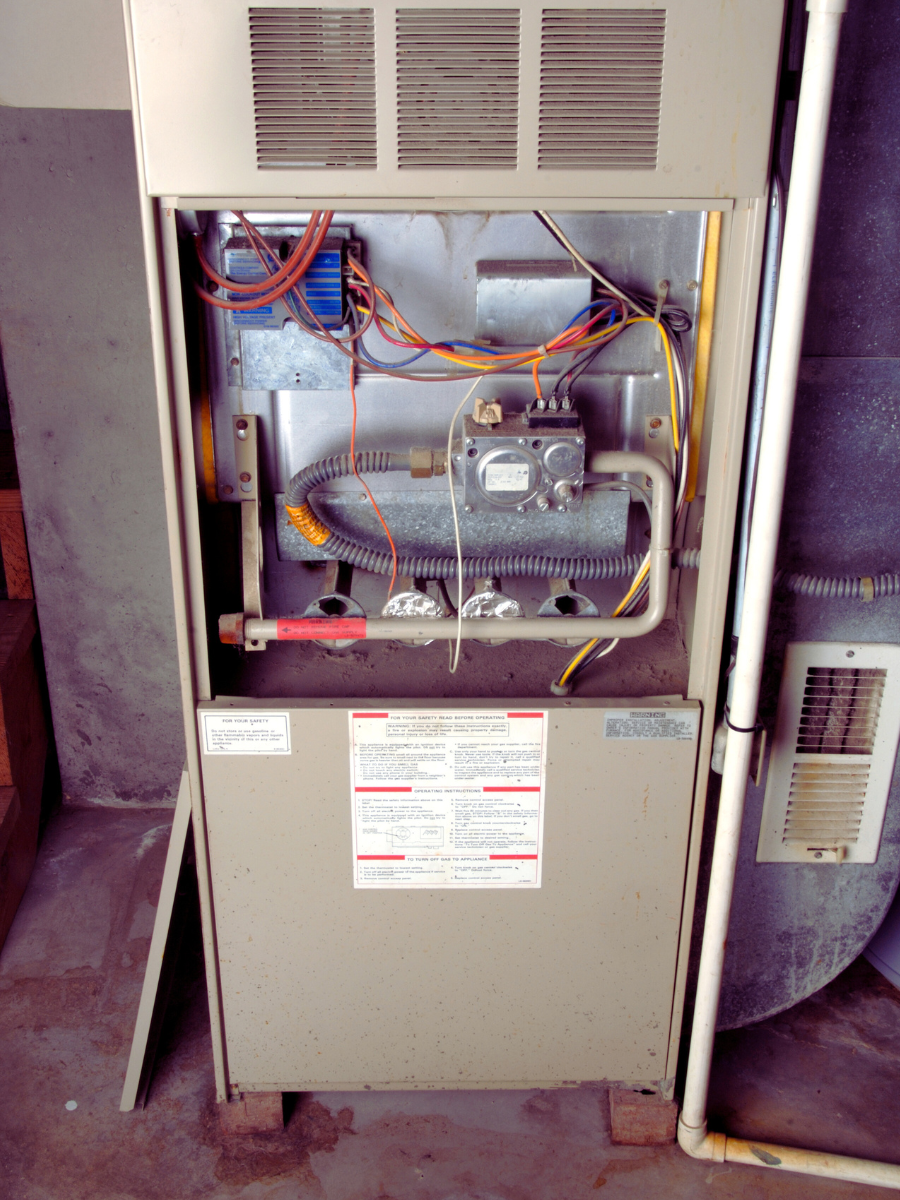 Jacksonville sees about 1,500 heating days. For comparison, many northern cities have more than 6,000 heating days. Fewer heating days mean fewer opportunities to recover costs through efficiency.
High-efficiency units most benefit homeowners who:
- Plan to stay in the house for more than 10 years
- Can’t easily address insulation problems
- Have high gas bills
- Demand maximum comfort and efficiency
Conversely, an 80-85% AFUE system might work well if you:
- Expect to move in the next five years
- Have a well-insulated house
- Can’t pay a lot upfront
- Rarely turn on the heater
How AFUE Impacts Replacement Costs
High-AFUE units cost more because they have better heat exchangers, more complex burners, added components, and better construction and materials. Systems like a condensing furnace require drain lines and PVC venting to deal with condensation safely. Some high-efficiency designs also require a dedicated electrical circuit.
Usage patterns and payback costs are the main factors in doing the math. If you turn up the thermostat a lot and plan to stay in the same home for years, then a high-AFUE system is likely for you. Notably, people with propane-based systems will see faster paybacks and better ROI due to higher fuel costs.
How to Find Your Furnaces AFUE
Every system has a label, usually a federally-mandated yellow Energy Guide label. It often appears on the inside of the furnace door.
For pre-AFUE systems, meaning pre-1992, the general assumption is that the units operate at 60-70% efficiency. If a system has no label, you should presume a furnace replacement is necessary.
FAQs
What does a 95% AFUE rating mean?
For every dollar spent on fuel, you get back 95 cents as actual, usable heat.
What is a good AFUE rating for a furnace?
90%.
Is a higher AFUE always better?
Especially in Jacksonville, the value of AFUE is situational. Homeowners who expect to stay in one place for years and use the heater a lot will see a net positive return.
What AFUE rating qualifies as high efficiency?
95%.
How does AFUE affect my heating bill?
Greater efficiency means lower heating bills.
Does AFUE matter in a warm climate like Jacksonville?
It matters less in Jacksonville because we have fewer heating days than you’ll see in the north. AFUE is most relevant in poorly-insulated houses and places where owners plan to stay more than ten years.
Does furnace size affect AFUE performance?
An oversized furnace will experience short cycles and operate at an effectively lower AFUE. Likewise, an undersized unit will run constantly and wear out sooner.
Get the Right Furnace Efficiency with One Hour heating & Air Conditioning
 Professional installation advice and the right load calculations are critical for maximizing efficiency. Likewise, you need to look at other factors besides AFUE, including sizing and ductwork.
One Hour Heating & Air Conditioning serves Jacksonville, FL, and the surrounding areas. Our technicians would be happy to assess your system and provide a furnace replacement estimate.
Contact One Hour Heating & Air Conditioning today. We’re always on time, or you don’t pay a dime.