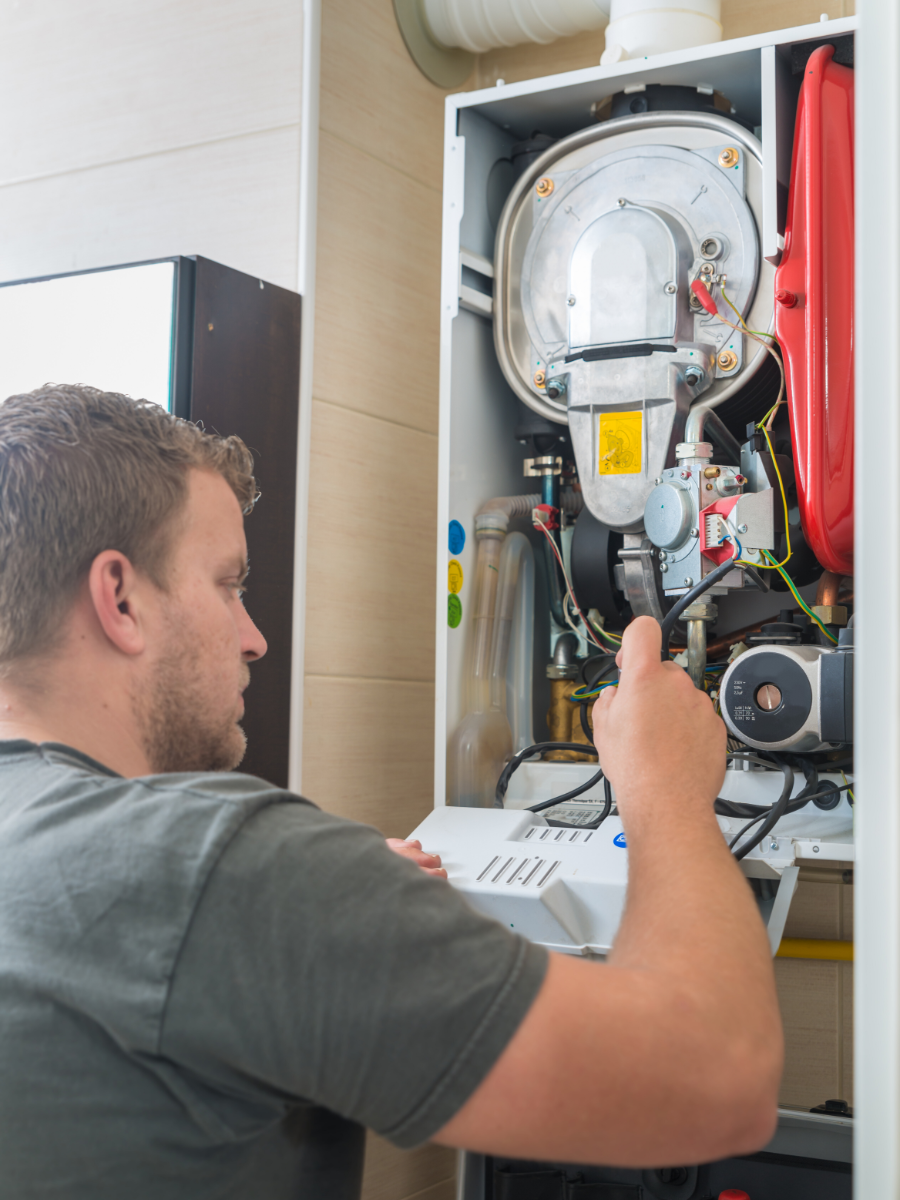
 Do you know how your breaker’s tripped when the electrical current’s too strong for it to safely handle, and your lights are then shut off to ensure your safety? A limit switch plays the same role for your furnace.
What a Limit Switch Does
A limit switch is what limits how hot your heater gets. In other words, without this or with a malfunctioning or broken one, your furnace won’t have regulated temperatures, and damage to your heater and even a fire are possibilities.
How a Limit Switch Works
In your furnace, a fuel, such as gas, oil or electricity, is used to create heat, helped along by burners. That hotter air is then distributed through your vents, oftentimes thanks to a blower. However, this process needs to be limited, or your furnace and your house will only get increasingly and dangerously hot.
That’s where a limit switch comes in. Once your home’s at the desired temperature, it takes its turn in the spotlight.
There are two common types of limit switches, a fan limit switch and a high limit switch.
With the fan limit switch, once it notices that the temperature’s hot enough, it turns off the blowers that are sending that warm air to you while keeping blowers on the furnace itself going until that’s been safely cooled down. Once everything’s cooled enough, it allows the process to start again – i.e. your home begins getting heated again.
When a high limit switch is being used, it simply shuts down the burners after a preset temperature has been hit and turns them back on just before the home would have gotten too cool.
In any case, its most important job is to ensure that your furnace doesn’t overheat.
And keep in mind that it overheating is not only a fire risk; overheating can also break the heat exchanger and, as a result, release carbon monoxide gases.
Where’s the Limit Switch Located?
Normally, the limit switch is located near the heat exchanger or plenum, both places that will allow it to accurately calculate and assess the temperature that the furnace is creating.
Common Signs of a Faulty Limit Switch
With the limit switch being such an important element of your heating system, it’s essential that you keep a close eye on it for common signs of it becoming faulty.
One to especially look out for is your furnace short cycling – i.e. turning on and off much more frequently than used to be the case or that allows it to run effectively and safely. In fact, this is a situation that you’d likely already feel uncomfortable experiencing since short cycling usually results in uneven temperatures in a house.
Your heater turning off at unexpected times, even if that’s not associated with short cycling, is another potential sign of a faulty limit switch.
Also watch out for your blower fun running continuously or, worse, not running at all.
What Causes Limit Switch Problems?
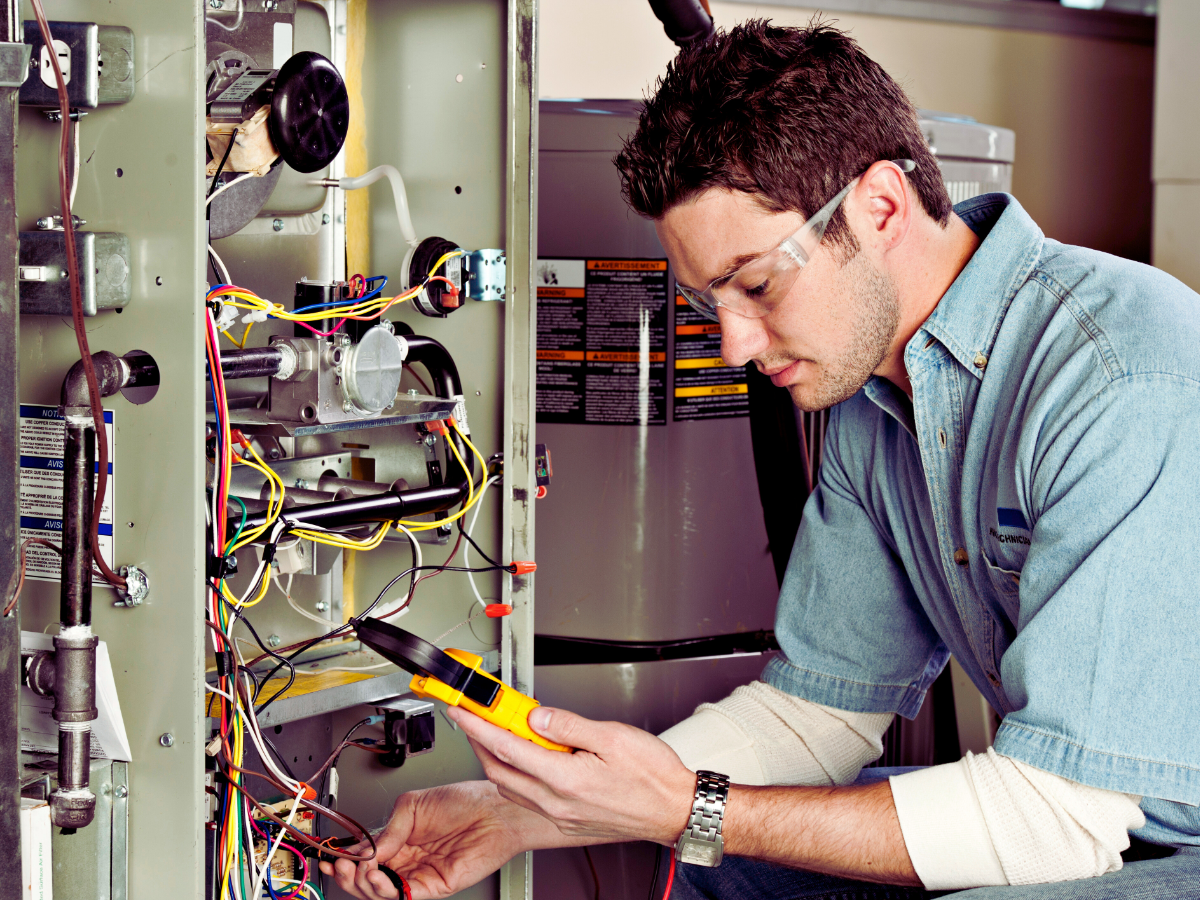 There are several potential causes of limit switch problems, but the below two are the most common ones that we come across.
A dirty sensor, whether covered in dust, grime or something else, can cause issues simply because your sensor is then unable to accurately read the temperature.
Limited airflow is another possible cause of light switch issues. When this happens, whether because of blocked vents, dirty filters or otherwise, some parts of the heating system will get much hotter than others. This can result in your limit switch turning your furnace off much more often since the heater’s getting so hot so fast.
How to Inspect or Reset a Limit Switch
You can inspect your limit switch for signs of damage by, after turning off your furnace, looking for corrosion, burn marks or other signs of damage on it. At this time, you could also use a multimeter that’s set to continuity and see if it shows a near-zero resistance reading or beeps. If the opposite happens, it’s likely damaged.
In addition, after your furnace is powered back on, pay close attention to when the fan starts and stops blowing related to the desired temperatures for those actions. To put it another way, the fan shouldn’t start running before your home has warmed up to comfortable conditions, and it shouldn’t continue blowing after the air’s already cold enough.
When to Call a Professional
Unless you’re professionally trained with furnaces, fixing your limit switch shouldn’t be considered a DIY project as common mistakes in this process could be catastrophic, causing fire hazards, electric shocks and gas leaks.
In other words, if you’ve determined that a faulty limit switch is the confirmed or likely issue, that’s when you should contact a professional.
FAQs
What are some common signs of a faulty limit switch?
 A few of the most common signs of a faulty limit switch include short cycling, your heater turning off unexpectedly for other reasons and your blower fan running continuously or not at all.
What can cause limit switch issues?
Two indications of limit switch issues that we commonly see are dirty sensors and limited airflow.
Should I fix my faulty limit switch myself?
If you have the training and experience to do so, sure. But in nearly all cases, it’s too dangerous to consider fixing a faulty limit switch as a DIY project since causing electric shock, gas leaks and even a fire are serious risks.
Keep Your Furnace Safe and Efficient with Expert Help
Is your furnace is giving you problems, and you know or suspect that it’s the limit switch that’s causing those? Reach out to Jacksonville One Hour Air Conditioning & Heating, and we’ll come fix your heater so that you’re comfortable this winter.
We serve homes and businesses throughout Jacksonville, FL, and we’re always on time or you don’t pay a dime.