If your furnace keep turning off, it may be short cycling. Learn common causes and why professional repair matters. Call Jacksonville One Hour. This issue doesn’t just make your home less comfortable; it can also lead to higher energy bills and cause your heater to break down or wear out quickly.
Fortunately, the friendly HVAC technicians at Jacksonville One Hour can fix short cycling in a jiffy. Below, we’ll cover six reasons your furnace keeps turning off and explain why making repairs is the smart move.
 Quick Takeaways
- When a furnace repeatedly turns off and on, it’s short cycling.
- Common causes of short cycling include airflow problems, thermostat issues, overheating, and safety shutoffs.
- Dirty filters are the most common cause of short cycling and are easy to fix.
- Ignoring continuous shut-offs can lead to major furnace damage.
- Short cycling usually requires professional furnace repair service for safety reasons.
What Is Furnace Short Cycling?
When a furnace short cycles, it turns on, then shuts down before heating your home sufficiently, then repeats the process. This problem increases wear on your heater and reduces energy efficiency, leading to higher energy bills and more frequent repairs.
Short cycling can be triggered by safety features that are installed to prevent fires and other hazards, and it’s a sign that your furnace needs attention. Frequent shut-offs differ from standard cycling because they stop your heater from running after a few minutes, and sometimes even after 30 seconds. They can also cause your furnace fan to blow cold air even after the burner stops providing heat.
A furnace that operates normally will start quietly, warm up your space to your desired temperature, then shut down until more heat is needed. Depending on the weather, it may run for ten to twenty minutes at a time and cycle three to eight times per hour. It will also help to maintain consistent warmth in your home.
Common Reasons a Furnace Keeps Turning Off
Short cycling can happen for many reasons, including:
1. A Dirty or Clogged Air Filter
If your heater continuously cycles on and off, a dirty or clogged air filter could be restricting airflow and causing it to overheat. When your furnace gets too hot, its limit switch will activate and shut down the system to prevent damage to its heat exchanger.
Once the furnace cools down, it will restart and begin another cycle. Usually, your air filters need to be cleaned or changed every three months to prevent short cycling. HVAC technicians frequently make house calls to address this issue.
2. Thermostat Problems or Poor Placement
Sometimes, a faulty or misplaced thermostat can cause your furnace to short cycle. Dead batteries can prevent your thermostat from reading the ambient temperature accurately. If your batteries no longer provide power to your thermostat, replacing them can often restore normal functionality.
Thermostats can also misread the temperature when they are too close to a heat register or a window, causing your furnace to prematurely shut off. Hiring an HVAC technician to move the thermostat can fix this issue.
If your thermostat is aging, miscalibrated, or has loose wiring, it can send inaccurate signals to your furnace and cause it to cycle inconsistently. Replacing your thermostat can resolve this issue.
3. Overheating Due to Airflow Restrictions
When the airflow in your home is restricted, it can cause temperature fluctuations that trigger short cycling. Closed or blocked vents and collapsed, undersized, or badly designed ductwork can impede air circulation and cause the furnace to overheat. This situation will trigger your heater’s high-limit switch and prompt the system to shut down.
Keeping furniture or rugs away from your vents and making sure they are open can encourage air to move freely. Taking these steps can prevent your furnace from overheating and shutting off early.
4. Flame Sensor Issues
Your furnace’s flame sensor is an important safety component that detects whether its burner is lit. If the sensor fails to recognize the flame, the furnace’s control board will turn off the gas supply.
A soot-covered or corroded flame sensor can send false signals to your furnace and cause it to shut down unexpectedly. A professional HVAC technician can diagnose a dirty sensor and clean or replace it as needed.
5. Your Furnace Is Too Big for Your Home
If your furnace heats a space too quickly and shuts off before completing a full cycle, it may be too large for your home. An oversized furnace will generate a surplus of heat too quickly, causing your thermostat to reach its set temperature before the hot air can fully warm your house.
This leads to uneven temperatures in your home and higher wear on your furnace, resulting in discomfort. An oversized furnace needs to be professionally evaluated to determine if replacement with a properly sized unit is necessary.
6. You Have a Blocked Exhaust or Venting Problems
Dirty air filters aren’t the only cause of poor airflow; venting issues and blocked exhaust outlets can also cause your furnace to overheat and short cycle. Modern furnaces pull combustion fumes into the exhaust flue and blow them out of your home.
These units also have safety switches that prevent carbon monoxide from leaking into your home. If ice, animal nests, or other debris are blocking your vents or exhaust, the safety mechanism will detect the issue and shut down the furnace.
Venting problems can be dangerous, and they require immediate professional attention. You should also have your technician install a carbon monoxide detector near your furnace to ensure your safety.
Warning Signs Your Furnace Shut-Offs Need Professional Repair
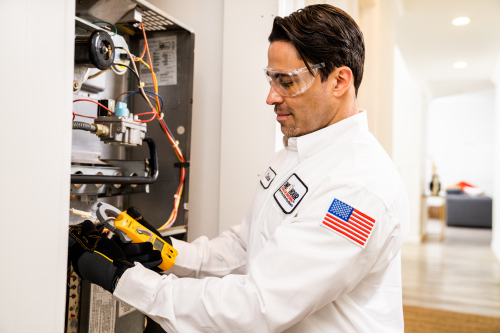 A short-cycling furnace isn’t just an annoyance; it’s a serious problem that needs quick attention. If you notice any of these signs of trouble, it’s time to call a professional.
- Your furnace shuts off before your home reaches its set temperature.
- You hear clicking or restarting sounds frequently.
- You feel cold air blowing before your heater shuts down.
- You notice burning smells or unusual noises.
- Your energy bills are high and rising.
What You Can Safely Check Before Calling for Furnace Repair
Modern furnaces are sophisticated machines with internal components that need professional care to operate safely. As a homeowner, there are a few things you can do to keep your furnace running smoothly.
Replacing an air filter and checking thermostat batteries and settings is something most adults can handle. You can also check your vents, intakes, and exhaust pipes for obstructions, but call a licensed HVAC technician for any repairs that involve opening your furnace.
Why You Shouldn’t Ignore a Furnace That Keeps Turning Off
If your furnace keeps turning off, you need to deal with the issue. Short cycling puts stress on your heater’s igniter and motor, increases your repair costs in the long run, and makes your furnace wear out fast.
It can also signal safety hazards like a cracked heat exchanger, faulty sensor, or blocked flue that could lead to carbon monoxide poisoning.
How Professional Furnace Repair Solves Short Cycling
Short cycling has many possible causes. A trained HVAC technician can accurately diagnose the issue by performing thorough system diagnostics.
During the assessment, your tech will test your safety switches, check your thermostat’s settings, and measure airflow. They will also verify your gas pressure and combustion, clean and repair the furnace’s sensors and critical components, and suggest an appropriate course of action for repair.
If your furnace keeps turning on and off, do not try to open the furnace cabinet or bypass a safety switch yourself. DIY repairs can put you in danger and void your furnace’s warranty. Hiring the licensed HVAC pros at Jacksonville One Hour is the best way to move forward.
FAQ: Why Does My Furnace Keep Turning Off?
Is it normal for a furnace to turn on and off frequently?
No, it’s not normal for your furnace to short cycle. A normal furnace cycle typically lasts for 10 to 20 minutes. If your furnace runs for less time and turns on and off frequently, it needs attention.
Can a dirty air filter really cause my furnace to shut off?
A dirty air filter can restrict airflow and cause your furnace to overheat. This can trigger its built-in safety shut-off switch and deactivate the burners.
How often should a furnace cycle during normal operation?
Most furnaces are designed to cycle three to eight times per hour during normal operation. Cycle times can vary with thermostat settings, home insulation, and outdoor temperature, and your furnace may run longer per cycle in cold weather.
Can a furnace turning off be dangerous?
Sudden shutdowns that leave behind unburned fuel or blocked exhaust can be dangerous. They may also signal serious problems like a cracked heat exchanger, which can cause carbon monoxide (CO) leaks and poisoning.
Will furnace short cycling increase my energy bills?
Short cycling can dramatically increase your energy bills. Frequent startups waste fuel without heating your home effectively.
Should I turn my furnace off if it keeps shutting down?
If your furnace keeps short cycling, you should turn it off at the thermostat or flip off its breaker when it’s inactive and call a professional for service.
Get Fast Furnace Repair from One Hour Heating & Air Conditioning
 When your furnace short cycles, it’s time to take action. At Jacksonville One Hour, our licensed HVAC technicians will apply their expertise toward diagnosing and repairing your furnace.
We’re available 24/7, with fast response times that restore comfort and safety in a flash. Our team serves Jacksonville, FL, and areas nearby, providing local homeowners with safety, comfort, and long-term system protection.
If your furnace is on the fritz, there’s no better time than now to make repairs or schedule a maintenance check. Remember, we’re always on time, or you don’t pay a dime, so call our technicians today!