A refrigerant leak may be harmful to your heating system and even your health. Although refrigerants today are not as toxic in small amounts as they were in years past, a leak could still raise energy costs, damage major appliance parts, and pose safety hazards if left unchecked.
No matter how big or small a refrigerant leak is, the problem should never be ignored. Keep reading to find out more about the possible dangers of a refrigerant leak and what can be done to solve the problem.
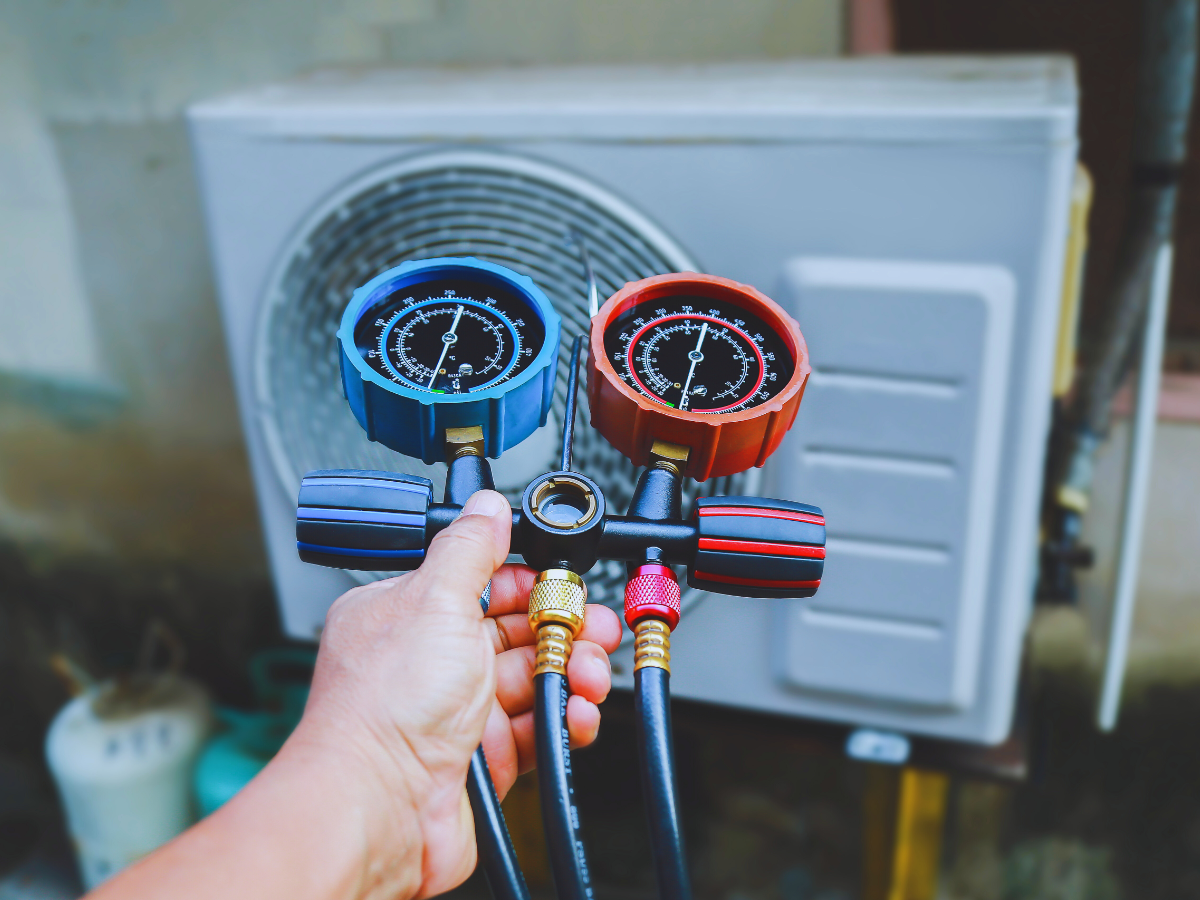 Quick Takeaways
- A refrigerant leak could harm your heat pump and your home.
- Heating and cooling efficiency is reduced when refrigerant is low.
- Ice buildup, short cycling and compressor damage often result from refrigerant leaks.
- High concentrations of refrigerant may pose health risks in enclosed spaces.
- Refrigerant handling is regulated and should only be done by licensed professionals.
- Costly repairs and system failure may be avoided if the leak is fixed quickly.
What Is a Heat Pump Refrigerant Leak?
Before answering this question, it’s important to understand the role that refrigerant plays in a heat pump. Refrigerant is a liquid or gas that absorbs external heat and allows the heat pump to transfer the heat to warm the inside of a home.
Freon was used in most older heat pumps, but the refrigerant was discontinued over health and environmental concerns. Today’s heat pumps use refrigerants like R-140A, R-290 or R-32, which are considered to be safer.
Refrigerant leaks often happen when the heat pump corrodes or the system joints fail because of old age or damage from the heater’s vibration. If the pump wasn’t installed correctly, the refrigerant lines could also leak. Environmental factors, such as severe storms or fallen branches, could also damage the pump along with other parts of your heating system and cause a leak.
If the refrigerant level is empty, you shouldn’t assume that your heating system has merely used up the refrigerant. Refrigerant is supposed to last during normal operation, and any low levels of refrigerant likely indicate a leak.
Is a Heat Pump Refrigerant Leak Harmful?
Yes, it can be harmful. However, you can prevent the possible dangers of a refrigerant leak by taking quick action to get the leak fixed.
When refrigerant is leaking, the heat pump can’t do its job properly to distribute heat. When this happens, other parts of the heating system must work harder to function, which can lead to premature wear and damage. You also won’t be able to heat your home sufficiently and stay comfortable in the winter if the refrigerant leak reduces your heater’s efficiency.
You might end up paying a lot of money for repairs if you overlook a refrigerant leak and the problem gets worse. You’ll also likely have to invest in a heater replacement sooner because of the extra strain on the system.
A refrigerant leak that isn’t fixed quickly could raise your energy bill significantly. Without enough refrigerant, the heating pump usually has to work harder and longer and requires more energy to try to heat the inside of a home.
Leakage may even affect your health and cause you or other members of your household to experience breathing difficulties, eye irritation or skin problems if anyone comes into contact with the refrigerant. In more serious cases, cardiac problems or exposure to toxic gases caused by the refrigerant coming into contact with a hot surface or an open flame could occur.
How a Refrigerant Leak Affects Your Heat Pump
Reduced Heat and Cooling Performance
When the refrigerant level is low, the heat pump can’t transfer heat properly. This usually results in longer run times for the HVAC system and uneven temperatures throughout the home.
Higher Energy Bills
A heating system doesn’t have to work as hard and use up extra energy when everything is functioning properly. When the refrigerant in the heat pump is leaking, the entire system is forced to work harder and use extra power, which could increase your utility costs significantly.
Ice Buildup and Short Cycling
If there isn’t enough refrigerant to transfer heat properly, ice could form on the coils and other heating system components if the temperatures ever drop below freezing in Jacksonville.
Short cycling, which happens when the system runs for a shorter period and shuts off sooner than it should, can also put additional strain on the heating system and wear out system components faster.
Compressor Damage
Low refrigerant can be especially hard on the compressor, which increases pressure on the refrigerant to raise its temperature and allow for heat transfer. When the compressor can’t do its job, it could get damaged and result in a complete system failure.
Can a Refrigerant Leak Be Harmful to Your Health?
Low exposure to modern-day refrigerants is generally considered safe, but a leak shouldn’t be ignored regardless of the level of exposure. Some people who are exposed to high amounts of refrigerant develop symptoms like headaches, dizziness and nausea. Cardiovascular problems and other more serious health issues could occur in severe cases.
Health risks increase even more if the refrigerant is leaking in a closed space or an area with poor ventilation. To limit refrigerant exposure risks and keep yourself as safe as possible, it’s best to hire an experienced HVAC professional to address the refrigerant leak.
Signs Your Heat Pump May Have a Refrigerant Leak
- Weak heating or cooling
- Ice formation on indoor or outdoor coils
- Hissing or bubbling sounds coming from your heating system
- Unexplained utility cost increase
- Frequent short cycling
Why Refrigerant Leaks Require Professional Repair
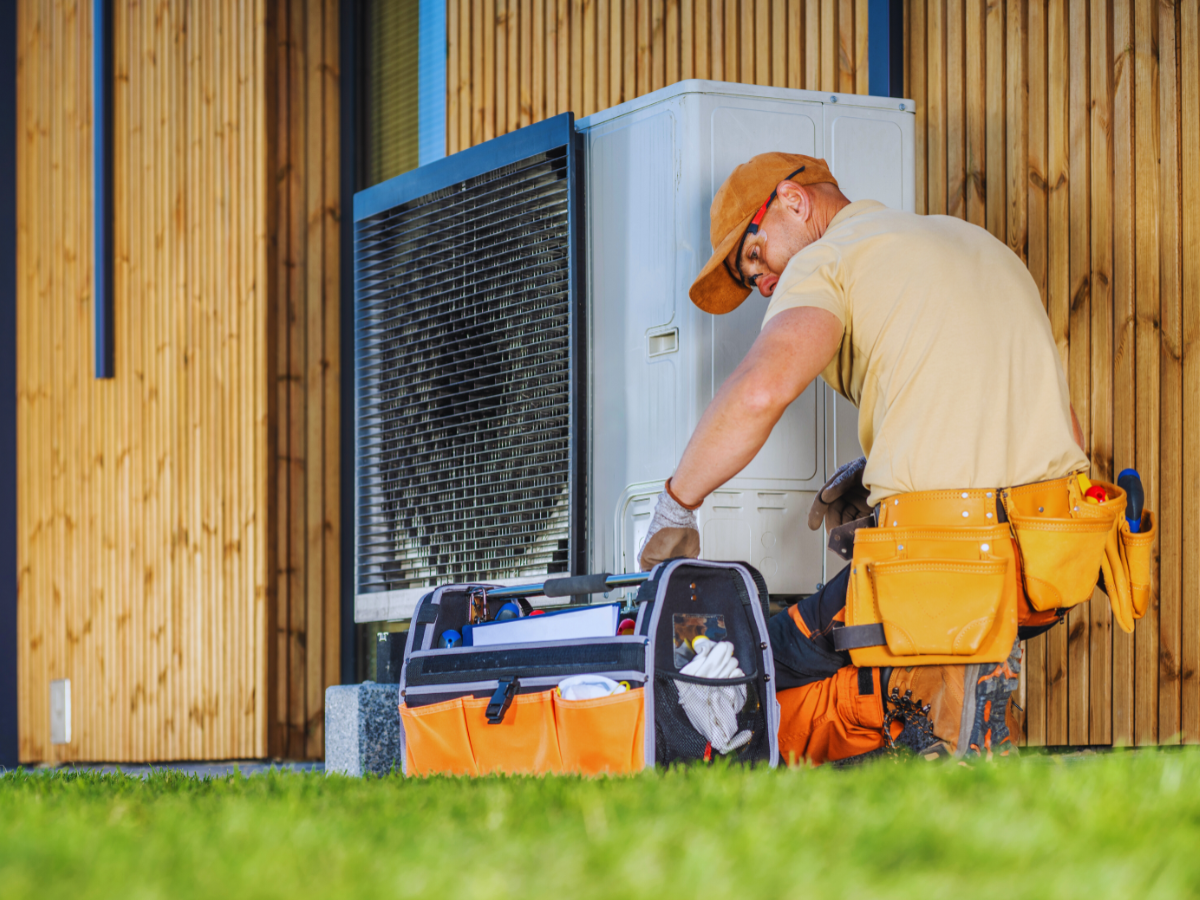 Professional HVAC contractors adhere to the laws established by the Environmental Protection Agency (EPA) for refrigerant handling. By following these laws and safety guidelines, these contractors can limit hazard risks and clean up and dispose of any spilled refrigerant in a safe and responsible way.
If you were to try to do the repair work yourself, you might simply “top off” the refrigerant level and assume that will solve the problem without addressing the leak. A lot of the repair work you do yourself may also offer only a temporary solution, and professionals can ensure longer-lasting results.
When the repair work is being done, professionals can recharge the refrigerant to ensure that it meets the proper levels according to the manufacturer’s instructions. Pressure testing can also be performed to ensure the proper pressure level.
What Happens If a Refrigerant Leak Is Ignored?
If you ignore a refrigerant leak, expect to pay more in the long run for repairs and utilities. You could also reduce your heating system’s lifespan significantly, which means that you’ll need to invest in a full system replacement sooner.
You could also experience more health problems and make your home a less comfortable place for everyone.
FAQs About Heat Pump Refrigerant Leaks
Is refrigerant toxic to humans?
Refrigerant usually isn’t toxic when people are only exposed to small amounts. However, if you have an older heat pump that still runs on Freon, you may face greater health risks even if you’re exposed to smaller amounts.
Can I keep running my heat pump if it has a refrigerant leak?
If possible, avoid turning on your heater and using your heat pump until the leak is fixed. If you continue running your system, you could end up damaging system components and paying higher utility costs.
Does low refrigerant mean I need a new heat pump?
You don’t necessarily need a new heat pump just because the refrigerant is low. Leaks can often be repaired if they’re minor and found early enough. However, if the heat pump has sustained more extensive damage, it may need to be replaced.
How is a refrigerant leak repaired?
How a leak is repaired depends on where exactly the refrigerant is leaking from and the severity of the problem. Resealing cracks or tightening loose connections can sometimes stop leaks. If the heat pump or any other parts are heavily damaged or outdated, a replacement is usually the best option.
How long does a refrigerant leak repair take?
In most cases, the work can be finished in one to three hours. However, the repair time could take longer depending on the cause of the leak and the severity of the problem.
Can regular maintenance prevent refrigerant leaks?
Regular maintenance can identify damaged parts where refrigerant can leak through and also ensure that all other parts of the heating system are up to date and don’t need replacing.
Need Heat Pump Refrigerant Leak Repair? Call One Hour
 One Hour Air Conditioning & Heating has a team of HVAC professionals who are experts in refrigerant leak detection and repair. We know how to diagnose leaks accurately and offer the right solutions to prevent repeat leaks. We comply with all refrigerant-handling regulations to provide the safest service possible.
Our goal is to make every home the safest and most comfortable place for everyone we serve, and our reliable heat pump repair service can help your home stay warm and cozy on the coldest days. We provide fast solutions so that no one is left out in the cold.
We also have a reputation for punctuality so that no one in Jacksonville, FL, or the nearby communities we serve is kept waiting. We’re on time or you don’t pay a dime.
Contact One Hour Air Conditioning & Heating today to schedule any needed heat pump repair service and stop refrigerant leaks before they cause serious damage.