 From pollen to pet dander and beyond, the air circulating in your home may not be as clean as you think. Poor indoor air quality (IAQ) triggers headaches and fatigue by trapping pollutants like VOCs (volatile organic compounds) and allergens indoors. In Jacksonville, FL, the high humidity, heat and sealed indoor environments create a perfect storm that worsens IAQ problems.
Here, we’ll take a closer look at indoor air pollutants that may be affecting your health, as well as what you can do to improve it.
Quick Takeaways
- Poor IAQ can trigger symptoms like headaches, fatigue, dizziness and irritation to your eyes, nose and throat.
- Some of the most common causes include VOCs like dust, mold, pet dander and poor ventilation.
- A dirty HVAC system can circulate indoor pollutants throughout your home, worsening your symptoms.
- High humidity can also make indoor air quality issues even worse.
- Indoor air quality solutions that can improve the airflow and comfort in your home include better filtration, ventilation and other measures.
How Poor Indoor Air Quality Can Cause Headaches and Fatigue
There are several reasons why poor indoor air quality can lead to headaches and fatigue:
- Stale air and trapped carbon dioxide – Keeping windows and doors closed traps exhaled carbon dioxide (CO2) and depletes fresh oxygen. Poor ventilation leads to a stuffy environment that can cause headaches and fatigue.
- Pollutant build-up – Indoor air often contains pollutants from hidden chemicals called volatile organic compounds (VOCs). These are commonly found in cleaning products, new furniture, carpets and air fresheners. Inhaling these chemicals causes your liver and immune system to work harder. Over time, this strain can leave you feeling tired and sluggish.
- Airborne irritants – Reduced air quality is packed with tiny irritants like dust, mold spores and pet dander. When you breathe in these irritants, they aggravate the sensitive nerves in your nose and sinuses, contributing to headaches.
Many homeowners have no idea that their indoor air quality may be directly contributing to their symptoms. In tightly sealed homes without proper ventilation, pollutants can accumulate even more quickly.
Common Indoor Air Pollutants That Affect Your Health
Several types of indoor air pollutants can affect your health, including chemical pollutants, dust, pet dander and excess humidity. Your air quality could be impacted by several of these factors.
VOCs and Chemical Pollutants
Volatile organic compounds (VOCs) and other chemical pollutants are among the biggest culprits leading to poor indoor air quality. These include:
- Paint – Freshly applied paints release high levels of formaldehyde, toluene and polyurethane, irritating your eyes and respiratory tract.
- Cleaning supplies – Many household cleaners like bleaches and aerosol sprays are major contributors to poor indoor air quality.
- Air fresheners – Plug-ins, scented candles and laundry detergents emit several VOCs that are harmful to your health without proper ventilation.
Additionally, new furniture, carpets and building materials undergo a process called “off-gassing,” which is when manufacturing chemicals slowly leak into the air over months or even years. These chemicals contribute to brain fog, chronic headaches and fatigue.
Dust, Allergens and Pet Dander
Your HVAC system is kind of like a double-edged sword when it comes to your home’s air quality. Although it’s supposed to filter your air, it can also spread dust, allergens and pet dander throughout your home. When you inhale these irritants, your immune system responds by triggering severe inflammation and sinus pressure, which can lead to headaches and fatigue.
Mold and Excess Humidity
Anyone who lives in Jacksonville can confirm that high humidity is a part of life here. Unfortunately, excess humidity fuels mold, moisture and biological contaminants by turning your indoor spaces into high-moisture breeding grounds.
When outdoor humidity infiltrates your home through your HVAC system, it also raises your humidity levels inside, which directly triggers respiratory irritation, headaches and fatigue.
Signs Your Indoor Air Quality May Be Poor
A combination of symptoms, known as the “building sickness effect,” is often the clearest indicator of poor indoor air quality. These symptoms may appear when you are at home, but clear up shortly after you leave. They include:
- Frequent headaches and dizziness
- Unexplained sleepiness and fatigue when inside your home
- Low focus and constant brain fog
- Constant allergy-like symptoms
- Musty, stale or chemical odors
These symptoms can develop and worsen over a few hours or several days.
How Your HVAC System Impacts Indoor Air Quality
Your HVAC system directly impacts the purity, movement and moisture level of the air you breathe. A properly maintained system efficiently filters out pollutants, leaving you with clean, healthy air. But a neglected system collects, concentrates and spreads harmful airborne contaminants throughout your home. Here’s a closer look at how your HVAC system impacts your air quality:
 Air filter – Your air filter is your system’s first line of defense. But if it is dirty or clogged, dust, pet dander and mold spores bypass the filter and recirculate throughout your rooms.
- Humidity control – An improperly maintained HVAC system will allow your home’s humidity level to increase, triggering mold and spore growth.
- Air purification systems – Standard HVAC filters are only meant to protect the equipment machinery. By upgrading to advanced purification add-ons, your system can clean the air in your home more efficiently.
- Poor airflow – Poor airflow forces your HVAC fan to work harder. As a result, it may pull hidden dust and insulation fibers out of walls or flooring gaps and redistribute them through the air.
Today’s homes are built airtight to save energy. Unfortunately, the trade-off is that stale air is often trapped inside. A lack of ventilation and fresh air exchange significantly affects your home’s air quality.
How To Improve Indoor Air Quality in Your Home
Improving your air quality requires a multi-pronged approach. You must capture particles at the source, stop new pollutants from entering your air and install indoor air quality technology.
Replace HVAC Filters Regularly
Stick to a schedule and replace your HVAC filters regularly. A standard 1-inch pleated filter should be changed out every one to three months. If you have pets or smoke, they should be changed out monthly. Also, make sure to seal any gaps you see on the filter rack. Gaps allow dirty air to completely bypass the filter and blow straight into your home.
Reduce Indoor Pollutants
To effectively reduce pollution, eliminate it at the source. Use a vacuum with a certified HEPA filter weekly, choose low-VOC paints and cleaners and avoid synthetic air fresheners. Bathe and brush your pets regularly to capture loose fur and dander. Also, always be sure to run your kitchen range hood while cooking for proper ventilation.
Install Indoor Air Quality Solutions
When the above tips aren’t enough, consider adding indoor air quality solutions to your home. Things like whole-home air purifiers, dehumidifiers and UV air treatment systems all work together to actively scrub your air clean, improve your comfort and reduce your headache and fatigue symptoms.
When To Call an Indoor Air Quality Professional
If you’re unsure whether it’s time to call an indoor air quality professional, here are some signs to look out for:
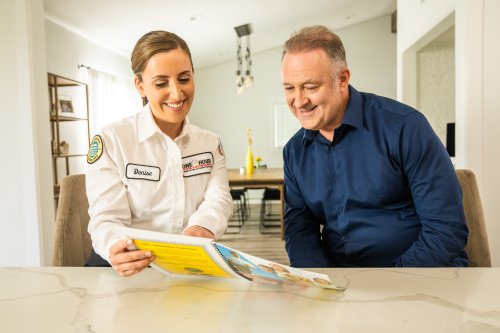 You notice that air is barely trickling out of your air conditioner, and certain rooms feel much warmer than the others.
- There are “mystery odors” that still linger after you’ve deep-cleaned your home.
- Your floors, bedding and furniture constantly feel clammy or damp.
- There’s water pooling on windows or dripping from ceiling vents.
- You have lingering, persistent symptoms that seem to only improve when you leave your home.
If you’re doing everything right, but you and your family are still experiencing headaches, fatigue and allergy-like symptoms, then it’s time to call in the professionals.
FAQ
Can bad indoor air cause headaches every day?
Yes, bad indoor air can trigger a direct inflammatory response in your central nervous system, leading to headaches.
Why do I feel tired inside my house?
Feeling tired or sluggish when you’re at home can be a classic indicator of poor indoor air quality.
Can HVAC systems improve indoor air quality?
Yes, a properly maintained HVAC system can drastically improve the air quality in your home.
What indoor pollutants commonly cause fatigue?
The most common indoor pollutants that cause fatigue, brain fog and sluggishness include chemical vapors, biological contaminants and accumulated gases.
Does humidity affect indoor air quality?
Yes, when indoor humidity levels are too high or too low, it creates an unstable indoor environment that triggers respiratory issues and illness.
How can I test my home’s indoor air quality?
You can test your home’s indoor air quality using several methods, including continuous digital IAQ monitors, mail-in lab test kits or by hiring a certified professional.
Improve Indoor Air Quality With One Hour Jacksonville
 If you’re interested in advanced air cleaning systems to improve the air quality in your home, call Jacksonville One Hour. Whether you’re looking for advanced mesh filters to capture irritants, ionization technology to zap away pollutants or would like to explore additional options, our professional technicians are here to help.
We can help you learn more about your indoor air quality and find effective, tailored solutions for your home. Call us today to schedule an appointment or learn more about our services. Remember, we’re always on time, or you don’t pay a dime.