 Volatile organic compounds, or VOCs, are carbon-containing gases released by everyday products, like cleaning supplies, furniture, paint, and candles. When VOCs accumulate in closed spaces, like your home, they can worsen indoor air quality and harm your health.
Modern houses tend to be tightly sealed against energy loss, a circumstance that contributes to poor ventilation and high indoor humidity levels. This makes it harder for VOCs to escape into the outside air, especially during warm weather.
Jacksonville homeowners who run their ACs constantly, without proper maintenance, may inadvertently accelerate mold growth and cause pollutants to circulate indoors. Without an adequate influx of fresh air, these contaminants will build up inside your home.
As VOCs spread, they make indoor air unhealthy to breathe. Short-term exposure can irritate your eyes, lungs, and mucous membranes, while long-term exposure is linked to cancer and other serious health problems. Fortunately, filtering your air and enhancing ventilation can improve your indoor air quality.
Below, we’ll dive into the facts about VOCs and explore ways you can minimize their presence in your home.
Quick Takeaways
- VOCs are gases that common household products release into the air.
- Paint, cleaners, furniture, flooring, and air fresheners are common sources of VOCs.
- Poor ventilation can trap VOCs indoors.
- Exposure to VOCs may cause headaches, irritation, fatigue, and breathing issues.
- Improving HVAC filtration and ventilation can help reduce indoor VOC levels.
- Professional indoor air quality solutions can promote healthier airflow inside your home.
What Are VOCs?
VOCs, or volatile organic compounds, are invisible, carbon-based chemicals that become airborne at room temperature. Household items can “off-gas” VOCs into your home by slowly releasing these chemicals over time. Eventually, VOCs can become so concentrated that levels inside are ten times higher than levels outdoors.
Modern homes are built tightly sealed to conserve energy, but this construction can trap airborne chemicals inside. Without proper ventilation, these invisible gaseous chemicals will continuously circulate, compound, and settle into your living space.
Why Are VOCs Inside Your Home?
If you’re wondering why VOCs are in your house in the first place, it’s because the products, furnishings, and building materials that make it livable can “off-gas” chemicals into the air. Painting or cleaning a room; installing a new carpet, vinyl flooring, or cabinets; replacing your mattress or couch cushions; and using air fresheners can release formaldehyde, tolulene, and benzene. Aerosol sprays, degreasers, disinfectants, and nail polish removers can also contribute to high VOC levels.
Common household products that release VOCs include:
Paints
Interior paints, spray paints, paint thinners, sealants, and coatings are a common source of toxic VOCs. These products can release harmful gases as they dry and when you stir or apply them.
Cleaning Supplies
Household cleaning products often contain surfactants, solvents, propellants, and fragrances that can release VOCs into the air. Bathroom, kitchen, and window cleaners; furniture polish; and laundry detergent may all contain dangerous chemicals.
Air Fresheners and Scented Candles
Products like air fresheners, scented candles, and wax melts are designed to emit aromatic components that often contain VOCs. Many of these vapors are petroleum-based or carry volatile chemicals like limonene, pinene, and ethanol. VOCs can also react with ozone to produce dangerous secondary pollutants like formaldehyde.
Adhesives and Sealants in Carpets and Vinyl Flooring
Petroleum-based synthetic carpets and vinyl flooring and furnishings are made with adhesives that contain solvents, polymers, and resins that can vaporize as the glues dry and cure. Exposure to heat and direct sunlight can accelerate these emissions.
VOC levels tend to be highest immediately after you install carpet or flooring, but off-gassing can continue for years. Antimicrobial treatments, stain-resistant PFAS coatings, flame retardants, and other chemicals trapped in a carpet’s fibers and backing will eventually break down and evaporate. Vinyl flooring commonly releases formaldehyde and phthalates, which are known irritants and endocrine disruptors, respectively.
Adhesives and Coatings in Cabinets and Pressed Wood Furnishings
Cabinets and flat-pack furniture like dressers and bed frames tend to be made with MDF, particleboard, pressed wood, plywood, or melamine. These materials are bound together with adhesives and resins, then coated, laminated, or painted for looks and durability.
Unfortunately, engineered composites can also release chemical solvents and plasticizers like urea-formaldehyde, phenol, and phthalates into the air as they cure and age. Emissions are highest when these products are new, and they can accelerate in warm, humid environments.
How Poor Ventilation Traps Pollutants Inside Your Home
 If your windows and doors are well-sealed and you keep them closed most of the time, your home may suffer from poor ventilation as a result. Without a steady flow of fresh air from outside, your indoor air can become stale and fill up with pollutants and VOCs.
As the products and furnishings in your home release chemicals, these contaminants enter the atmosphere, recirculate, and build up to dangerous levels. In addition, breathing, cooking, and bathing can increase humidity levels and make things worse, creating an unpleasant and unhealthy home environment.
When air exchange is restricted, your HVAC system will have trouble replacing stale air with fresh air, causing VOC levels to rise and spread through the house. This means everyone inside will continually breathe in dirty air until circumstances change.
Signs that VOCs may be affecting your indoor air quality include:
- Headaches
- Eye, nose, or throat irritation
- Fatigue
- Allergy-like symptoms
- Lingering chemical smells
- Symptoms that worsen when your HVAC runs
If you notice any of these symptoms or red flags, taking steps to improve your air quality can enhance your well-being.
How to Reduce VOCs Inside Your Home
Reducing the concentration of VOCs inside your home can result in a noticeable and immediate improvement in your air quality. Here are some steps you can take to make it happen:
Improve Ventilation
The easiest way to lower indoor VOC levels is to improve fresh air circulation. If the outdoor humidity is low, open windows to encourage cross-ventilation. You can also use exhaust fans or mechanical ventilators to push stale indoor air outside. Adding VOC-absorbing houseplants like peace lilies or snake plants to your space can help purify the air too.
Upgrade Your Air Filtration
Most standard HVAC systems are not designed to reduce VOCs. If you really want to reduce the levels of these chemicals in your home, you should consider installing air purifiers or HVAC filters manufactured with activated carbon, which capture chemical pollutants via an adsorption process.
Whole-home indoor air quality (IAQ) systems can also minimize VOCs using carbon filtration or neutralize them at the molecular level via UV photocatalytic oxidation (PCO) or bipolar ionization. Investing in these upgrades will reduce the concentration of chemicals in the air and make it easier to breathe.
Choose Low-VOC Products
One of the best ways to keep VOC levels low is to reduce the amount of VOC-emitting materials in your home. Using products like certified low- or no-VOC and water-based paints in a well-ventilated space is much better for your health than using solvent-based paints in a closed space.
Solid hardwood furniture, cabinets, and flooring are a much better choice than particleboard, plywood, or vinyl options. You can also look for items labeled “low-VOC,” “formaldehyde-free,” or “non-toxic” and use low-VOC flooring or natural wool rugs.
Another way to limit your exposure to VOCs is to use natural and safe cleaning agents like baking soda, vinegar, lemon juice, dish soap, and water whenever possible, and use synthetic cleaners only in spaces that have plenty of fresh air circulation.
Control Indoor Humidity
Finally, keeping relative humidity to between 30% and 50% indoors will help you control your VOC levels. Warm, too-moist air can accelerate off-gassing and encourage mold growth, worsening air quality as a result.
Although regulating humidity in Jacksonville’s subtropical climate can be challenging, you can install a portable or whole-home dehumidifier and use exhaust fans and ventilators to help pull water vapor out of the air.
How Your HVAC System Impacts VOC Levels
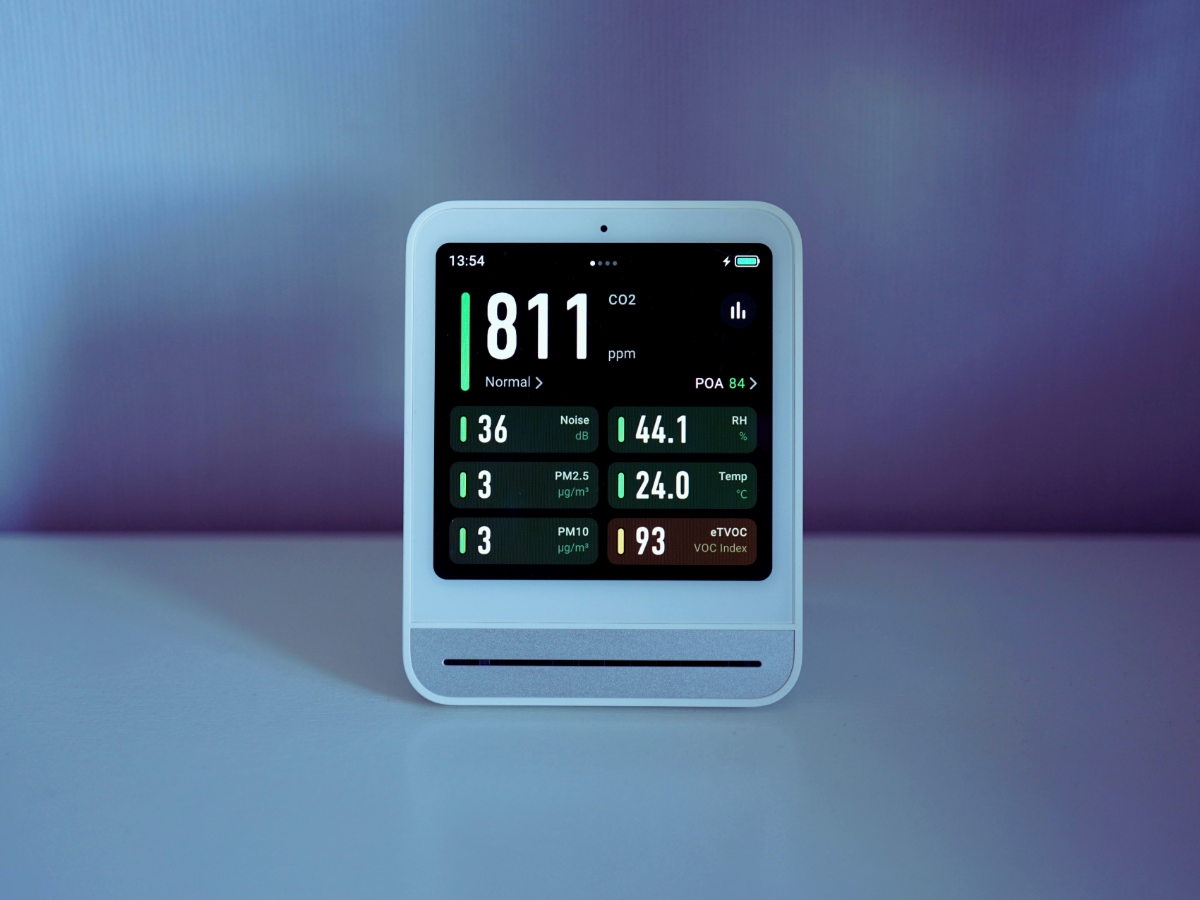 The type and condition of the HVAC system you use can directly impact VOC levels in your home. Your HVAC system circulates air through every room, and if it’s poorly maintained, it can vent dirty air or restrict airflow. This can cause pollutants to spread through and accumulate in your house and worsen indoor air quality.
If your system is functioning well, it will dilute VOC concentrations by bringing in fresh or filtered air and promoting continuous airflow. Consequently, your air will be healthier and easier to breathe.
Regular filter changes are the first line of defense against VOC buildup because they facilitate proper airflow and discourage bacteria and mold growth. To see a real reduction in indoor VOC levels, you’ll need to improve ventilation and/or install activated carbon filters or an indoor air quality system. Whole-home air purification and ventilation solutions are designed to capture or neutralize VOCs and eliminate mold spores before they can circulate through the air.
When To Call an Indoor Air Quality Professional
If you notice persistent, unpleasant odors or your allergies flare up while you’re at home, even after cleaning, VOCs may be to blame. Older HVAC systems may not be able to bring in the fresh air you need and circulate it through your home.
Also, if you’re renovating your home, the process may be releasing quite a few toxic chemicals into the air. Any of these factors are reason enough to have a professional assess your indoor air quality and recommend next steps.
FAQ
What does VOC stand for?
VOC is an acronym for volatile organic compounds, a group of carbon-based chemicals that can be harmful airborne pollutants.
Are VOCs dangerous in homes?
VOCs can be dangerous when they build up in the air at home. Short-term exposure can cause eye and respiratory irritation, while long-term exposure may increase the risk of cancer and central nervous system damage.
What products release the most VOCs?
Common household products that emit large amounts of VOCs include paints, cleaning agents, flooring, new home furnishings, air fresheners, mattresses, and aerosol sprays. These materials tend to release the most toxins when they are new or when their environment is hot and humid.
Can HVAC systems remove VOCs?
Most HVAC systems cannot remove VOCs with standard particle filters, although a well-maintained system will promote good airflow. Because VOCs are gases, not particles, they require specialized filtration using activated carbon, UV oxidizers, or ionizing devices.
Standard particle filters may help reduce VOCs slightly through dilution, but they will not capture and remove VOC gases from the air. Installing a dedicated filtration system and enhancing ventilation is the best way to reduce VOC levels.
How do I know if my home has high VOC levels?
To gauge the VOC levels in your home, make note of lingering chemical odors in your home, and pay attention if your allergies seem worse, your skin feels irritated, or the air seems hard to breathe. These circumstances could indicate that VOC levels are high.
If you suspect your air is polluted, call a pro. Hiring a specialist to perform a comprehensive indoor air quality assessment is the best way to know for sure.
Do heat and humidity make VOC problems worse?
Yes, hot, humid air can accelerate VOC emissions in your indoor environment and make the air quality worse. Heat and humidity can cause chemical molecules to move into the air more quickly and encourage the rapid growth of mold and other pollutants. These contaminants can build up in the air and harm your health.
Improve Indoor Air Quality With One Hour Jacksonville
 If the air in your home is stagnant and filled with VOCs, you need to take immediate action to protect your health. One Hour Heating & Air Conditioning of Jacksonville provides a wide variety of indoor air quality and HVAC services in Jacksonville, FL, and its surrounding areas.
To schedule an indoor air quality inspection or install an air filtration, purification, or ventilation system, call our team. Remember, we’re always on time, or you don’t pay a dime, so don’t delay. Our skilled technicians are ready to help you breathe in cleaner air today!