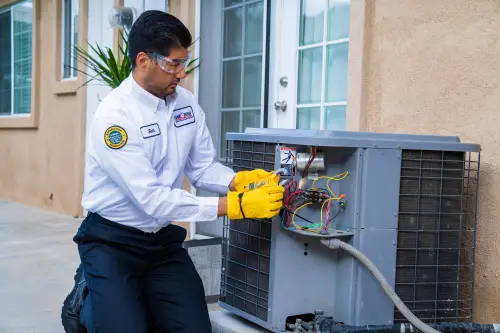
 Residential air conditioners are comprised of numerous moving and non-moving parts that work together to create climate-controlled air, and one of the most important of these components is the AC contactor. If this small but critical device fails to function correctly, the entire system can grind to a halt.
Without a working AC contactor, an air conditioner unit is cut off from the power source it needs to operate. The contactor is controlled by the thermostat and supplies electricity to run the compressor and fans upon demand. If the contactor becomes stuck in the on or off position or fails to respond appropriately to the thermostatic controls, the air conditioning system won’t function as expected.
Fortunately, AC contactors usually offer signs that they’re about to go bad. At One Hour Heating & Air Conditioning, we’re invested in keeping the AC on and running smoothly for our valued clientele throughout the greater Jacksonville area. We’re pleased to offer the following information on AC contactors with the goal of helping you spot trouble before complete failure occurs.
Quick Takeaways
- A bad AC contactor can prevent your AC from turning on or off.
- Clicking, buzzing and chattering noises are common warning signs.
- Intermittent or uneven cooling may also point to contactor problems.
- Burned contacts can damage other AC components.
- A skilled AC repair professional can identify and replace a faulty contactor before it causes larger issues.
What Is an AC Contactor?
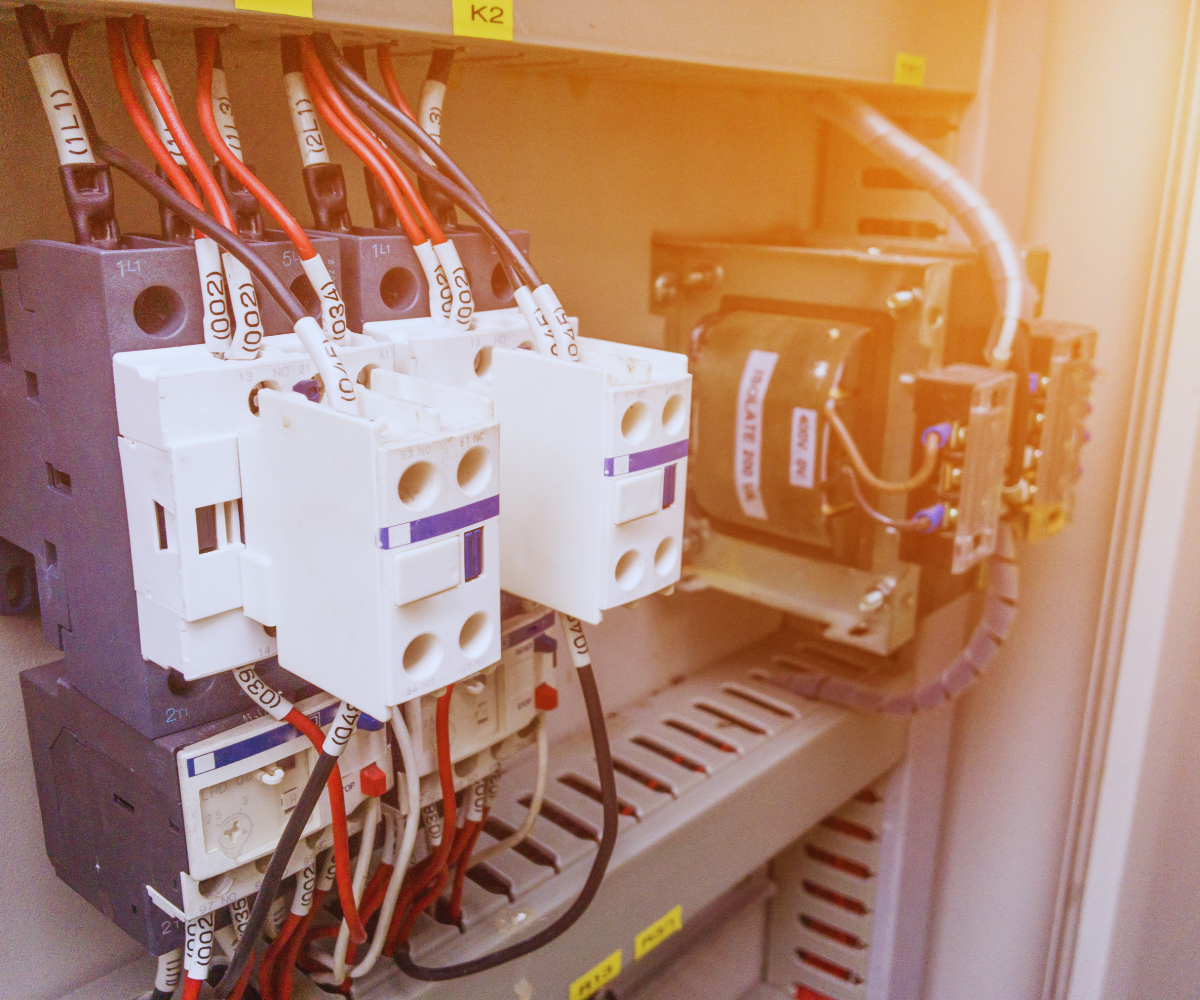
As the name implies, an AC contactor is a small device that makes a connection between an AC system’s power supply and its other working parts. It is equipped with numerous wires that transfer power into and out of the device and can be found inside the exterior AC unit near the electrical control panel.
A contactor works by receiving a signal from the thermostat to close when cooling power is needed. As the connection closes, electricity flows to the compressor and fans. When the interior air temperature reaches the desired level, the contactor reopens the connection to cut the power source and send the unit into inactive mode.
7 Signs of a Bad AC Contactor
A faulty AC contactor can negatively impact air conditioner operation in various ways. These are seven of the most common contactor warning signs.
1. Your AC Won’t Turn On
If the contact points of an AC contactor become stuck in the open position, the unit will not turn on at all due to a lack of electrical power. The points can become locked in place by debris, rust, insect activity or age-related deterioration.
2. Your AC Won’t Turn Off
If your AC unit runs continually even after adjusting the thermostat, the contact points of the AC contactor may have become stuck together. This is referred to as a welded contact and may occur due to moisture, corrosion or electrical arcing between components.
3. You Hear Clicking or Chattering Sounds
Worn or weakened spring coils can cause the contactor to struggle to remain closed during AC operation. This can lead to clicking or chattering sounds from the unit.
4. The Outdoor Unit Hums but Doesn’t Start
AC contactor points must fully connect to permit electricity to flow, but dirt, insects and rust can prevent solid contact. A humming sound indicates that a partial connection has been made but the electricity entering the unit isn’t sufficient for normal operation.
5. Your Home Cools Inconsistently
In some cases, partial contact between the points of an AC contactor means that the unit runs less consistently and efficiently. This can cause some rooms to be warmer than others or utility bills to spike unexpectedly.
6. You Notice a Burning Smell
An incomplete electrical connection may cause a contactor to overheat, or the electrical current can arc between the points in an attempt to close the gap. This will eventually damage the device and emit a distinct odor of burning or melting wires.
7. The Contactor Looks Burned, Pitted or Corroded
Sometimes a contactor will continue functioning even if it has been previously damaged. It’s a good idea to replace any AC contactor that displays visible scarring, pitting or corrosion to prevent possible failure later on.
 What Causes an AC Contactor to Go Bad?
Numerous factors contribute to the deterioration and eventual failure of an AC contactor. In addition to normal wear and tear, the top culprits behind AC contactor breakdowns include:
- Electrical arcing
- Dirt and debris buildup
- Moisture and corrosion
- Insect infestation
- Power surges
What Happens If You Ignore a Bad AC Contactor?
It may seem impossible that such a small part would cause serious problems with an AC unit, but neglecting a faulty contactor could definitely lead to bigger issues down the road. Any or all of the following might occur if you don’t seek help with a malfunctioning AC contactor:
- Compressor damage
- Higher repair costs
- Reduced efficiency
- Total system failure
Can an AC Contactor Be Repaired, or Does It Need Replacement?
AC contactors are relatively easy to replace. If they become damaged, it usually makes more sense to remove and replace them instead of attempting a repair. Upgrading contactors as needed also helps prevent unexpected AC failure by ensuring that these critical components are always up-to-date.
Routine inspection of the contactor by a skilled professional should be part of your system’s seasonal or annual maintenance services. Regular check-ups allow problems to be diagnosed and addressed while they’re still small and manageable instead of after serious issues develop.
Frequently Asked Questions
What are the most common signs of a bad AC contactor?
Unusual clicking and humming noises, constant running, failure to power up and inconsistent operation are among the leading symptoms of AC contactor problems.
Can a bad AC contactor stop my air conditioner from working?
A malfunctioning contactor might prevent electricity from reaching your AC unit’s compressor and fans, and this will keep your system from operating at all.
Why is my AC contactor making a buzzing noise?
A buzzing noise could be a sign that the contactor isn’t fully connecting due to debris, insects or damage to the device.
How long does an AC contactor last?
The average lifespan of an AC contactor is between five and 15 years. In a hot, humid area like Jacksonville, Florida, the expected service life is generally on the lower end of this estimate.
Can I replace an AC contactor myself?
Replacing an AC contactor on your own is not recommended. AC contactors contain live electrical wires that can cause burns and shocks. Servicing and replacing these devices should be left in the hands of capable, licensed HVAC technicians only.
Call One Hour at the First Sign of Contactor Issues
 If you suspect problems have arisen with your AC contactor switch, a call to One Hour Heating & Air Conditioning is in order. Contactor issues require prompt attention to avoid damaging the unit and creating further headaches. You can rely on us to arrive quickly and get to the bottom of the trouble right away.
Our extensive expertise covers all major air conditioner brands. We’re skilled at diagnosing electrical issues, replacing worn contactors and handling a full range of AC repair and replacement services to restore cooling function and system reliability.
Appointments are available right now throughout the greater Jacksonville area, so contact us to reserve your consultation and estimate today. And remember, we’re always on time, or you don’t pay a dime!