An AC contactor is a small part in a complex system, but it plays a big role in helping to heat and cool your home. The AC contactor is an essential device that controls the electrical flow to your HVAC system.
When it fails, the air conditioner might not be able to start, may run constantly or completely stop cooling your house. Delving deeper into what this critical component does helps you know when to call our technicians out for an HVAC inspection or repair.
Quick Takeaways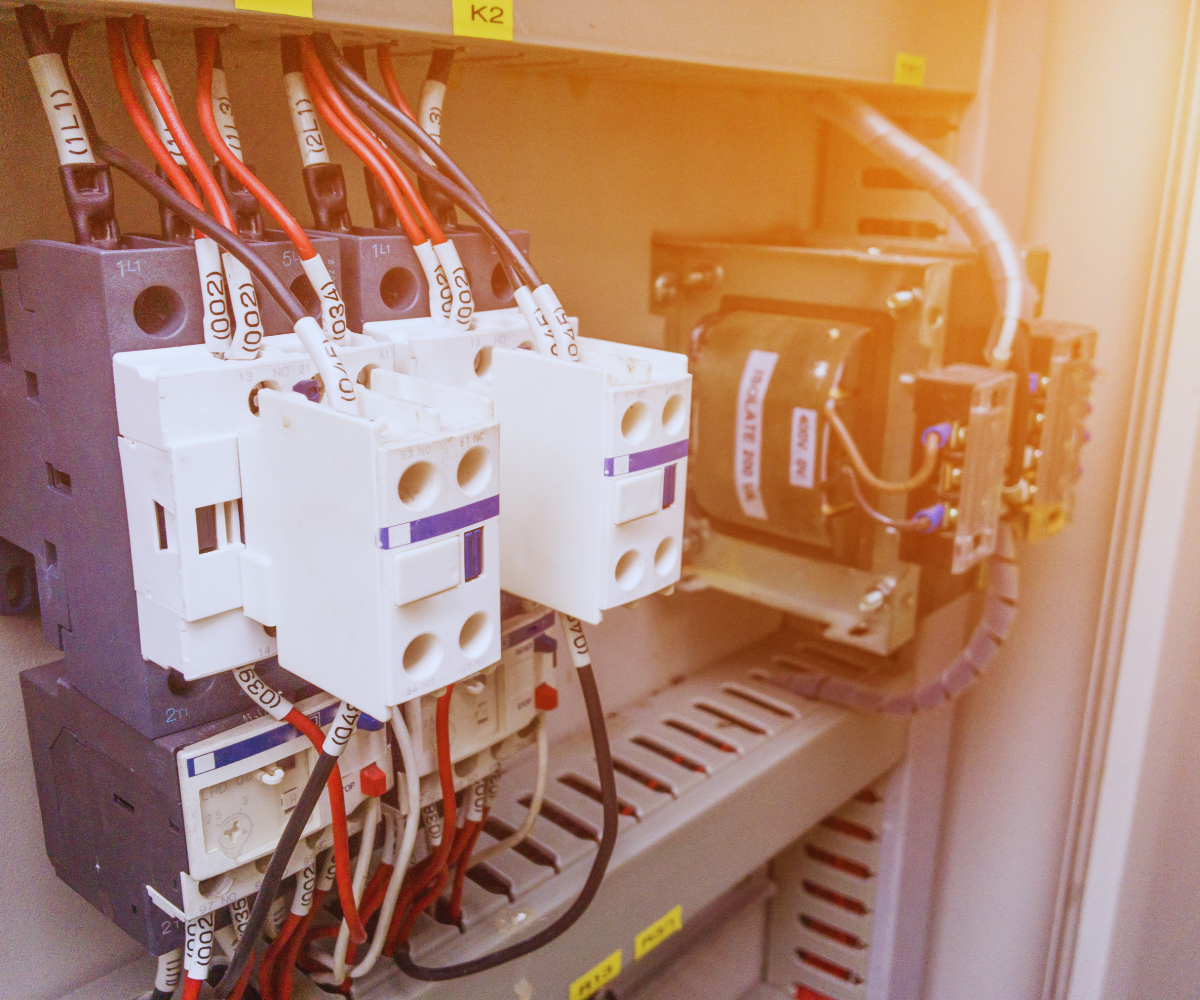
- An AC contactor is a small, electrical switch on the outdoor unit that controls the power flow.
- The thermostat sends it a low-voltage signal when it needs to operate.
- The contactor is responsible for powering the condenser fan motor and compressor.
- A failed contactor might stop your AC from turning off or on.
- Constant operation, intermittent cooling and clicking sounds are signs of a bad contactor.
- Professional AC repairs can quickly and safely diagnose and repair a faulty contactor.
What Does an AC Contactor Do?
An AC contactor allows or blocks the flow of electricity to the HVAC system’s compressor and condenser. You can think of the AC contactor as acting like a drawbridge.
When the thermostat sends the signal to turn on the AC, the contactor moves down to allow the flow of high-voltage electricity to the system’s motors and other components.
How Exactly Does an AC Contactor Work?
Taking a look at the general steps involved in the cooling cycle can give you a better idea of how AC contactors influence the HVAC system’s operation.
- The thermostat sends a signal to turn the unit on.
- The contactor closes.
- The compressor and fan receive power.
- The cooling process begins.
- The contactor opens back up when the thermostat is satisfied.
What Makes the AC Contactor Important?
The AC contactor plays several important roles in proper HVAC functioning that include the following:
- Protect the thermostat from damage that could occur from high-voltage electrical flow
- Ensure that the power flows safely to the unit’s components
- Help the system operate as efficiently as possible
- Maintain essential functions for normal cooling operation
Take Note of the Signs of a Bad AC Contactor
A faulty AC contactor shows several noticeable signs of a problem to let you know when to arrange for repairs.
- Failing to turn on the AC
- Causing the outdoor unit to fail to shut off
- Making clicking or chattering sounds
- Having a burning smell near the condenser
- Providing intermittent cooling
- Displaying weak or inconsistent performance
What Can Cause an AC Contactor to Fail?
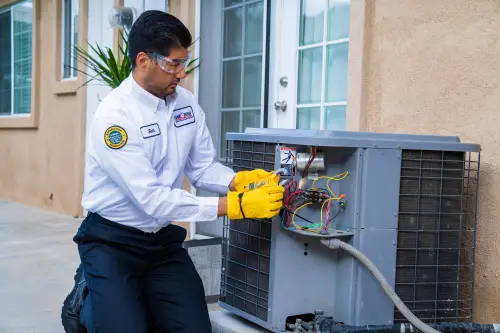 Several issues can lead to AC contactor failure, and it’s a good idea to call our technicians out for an inspection when you notice these situations.
- Normal wear and tear, or aging
- Electrical arcing
- Debris and dirt buildup
- Power surges
- Exposure to corrosion and moisture
- Insect infestations inside the contactor
Is It Possible to Replace an AC Contactor Yourself?
Unless you are a licensed HVAC technician, you don’t want to replace an AC contactor yourself. The high-voltage that runs through this component makes it unsafe to replace without the proper safety training and tools.
An improper DIY repair could also raise the risk of damaging other components. You’ll also want to have a professional diagnose the issue to make sure you conduct the correct repair. Contractor replacement is a common part of AC repair services that we can often perform in a short amount of time.
How Long Does the Average AC Contactor Last?
On average, an AC contactor lasts five to 15 years. The hot, humid climate in Florida can reduce a contactor’s life span, especially when your system operates frequently.
Routine maintenance can help to increase the life span, and our technicians are trained to notice the early signs of failure to help you avoid issues with the system’s operation.
How Do You Differentiate AC Contactor Problems Vs. Other AC Issues?
A broken AC contactor can mimic other AC issues. For instance, a faulty capacitor could halt power from reaching the compressor. Or, a problem with the compressor could cause the system to make strange noises or trip the circuit breaker.
A faulty thermostat could also cause the contactor to stop functioning. Without the thermostat signaling when to open and close, the contactor will remain in the same position. Professional testing of the air conditioner’s components is the best way to achieve an accurate diagnosis.
FAQs
What happens when an AC contactor goes bad?
When an AC contactor goes bad, the air conditioner might operate continuously or stop running completely.
Can an AC run with a bad contactor?
An AC system shouldn’t run with a bad contactor. Although it might operate if the contactor is stuck closed, continuous running can lead to freezing and damage to the other components.
Why is my AC contactor clicking?
A failed contactor coil can cause the switch to rapidly open and close, or there could be faulty wiring or other electrical issues causing low voltage.
How much does it cost to replace an AC contactor?
The cost to replace an AC contactor can vary depending on factors such as the type of system and the number of contactors it has. But replacing the AC contactor can prevent damage to more expensive components.
How can I tell if my AC contactor is stuck?
A stuck contactor could cause the system to continue to run, even when you set the thermostat to a higher temperature or turn it off.
Contact Our Professional HVAC Technicians for Prompt AC Contactor Repair Services
 If your home’s air conditioner won’t shut off, start or is exhibiting other signs of a failing contactor, then don’t hesitate to trust One Hour Heating & Air Conditioning for professional AC repair services in Jacksonville, FL and the surrounding neighborhoods.
Our technicians are prepared to quickly provide AC diagnostics and repair services that include replacing faulty components and identifying electrical issues to restore proper cooling to your home. Reach out to us today. We’re always on time, or you don’t pay a dime.