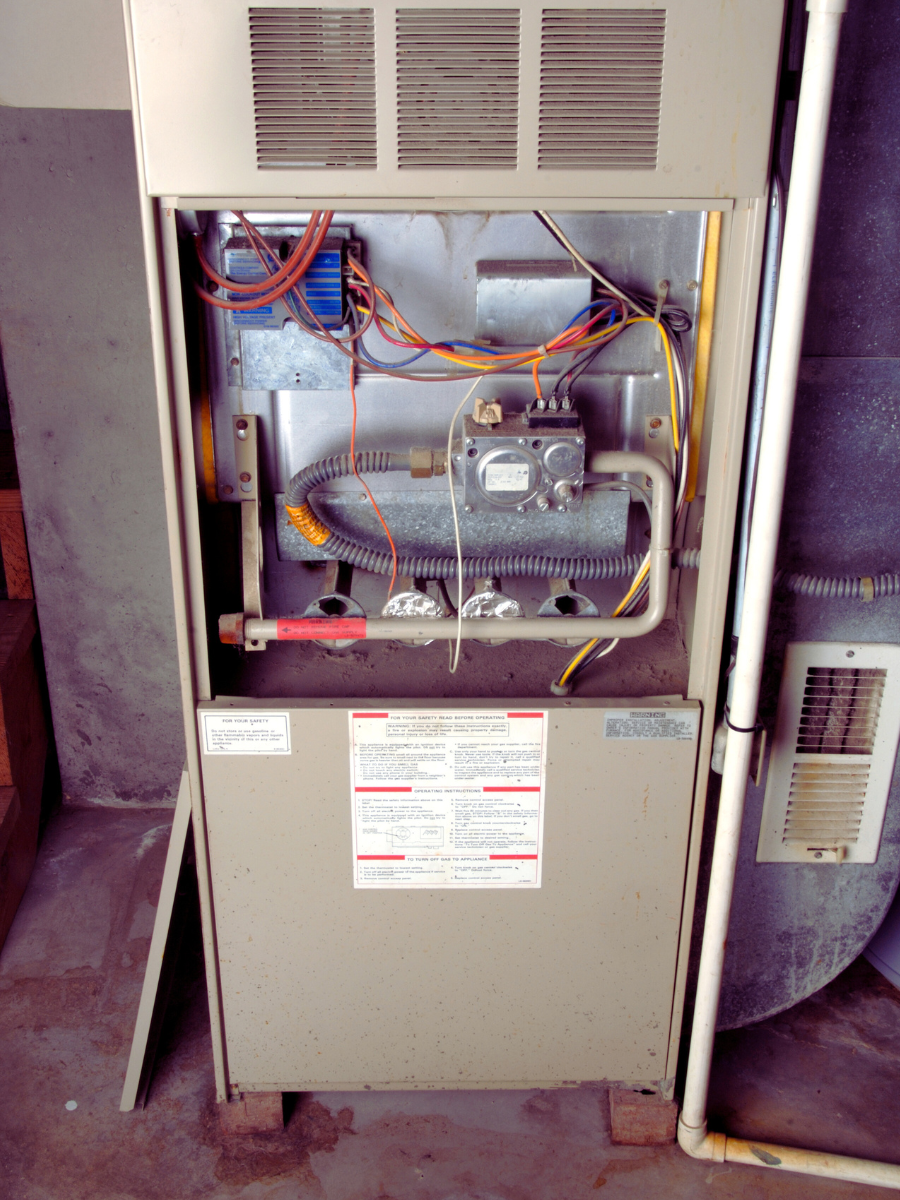
 Choosing the correct size furnace for a home in Jacksonville requires an understanding of BTUs and how to perform load calculations. You don’t want to risk installing an oversized or undersized system because it can result in higher energy costs and uncomfortable living spaces.
In this guide, we walk you through how professionals size furnaces and why it matters so much for homes in Jacksonville, where it tends to stay mild throughout the winter.
Quick Takeaways
- Installing the correct size furnace is crucial to keeping your home comfortable and energy-efficient.
- BTUs determine how much heat a furnace delivers.
- Manual J calculations should always be used in place of guesswork for furnace sizing.
- The mild winter climate in Jacksonville reduces how many BTUs most homes actually need.
- Professional sizing and installation are the best ways to ensure long-term comfort and reliable furnace performance.
What Does “Furnace Size” Really Mean? (BTUs Explained)
When choosing the right “furnace size,” it’s not so much about its physical dimensions. Instead, you have to look at BTUs, which stands for British Thermal Units. The BTUs tell you how much heat the system can produce. To determine how much heat output a home needs, we’ll do a Manual J calculation and then match the BTUs to the home’s actual heating load.
How Square Footage Influences Furnace Size
Your home’s square footage is one of the most important factors for choosing the right size furnace. It affects the heating load because a larger living area needs a higher-capacity furnace to maintain consistent, comfortable temperatures.
| Home Size (sq ft) | Approx. BTUs per Sq Ft | Approx. Furnace Size (BTU) |
|---|---|---|
| 1,000 | 25–30 | 25,000–30,000 |
| 1,500 | 25–30 | 37,500–45,000 |
| 2,000 | 25–30 | 50,000–60,000 |
| 2,500 | 25–30 | 62,500–75,000 |
| 3,000 | 25–30 | 75,000–90,000 |
| 3,500 | 25–30 | 87,500–105,000 |
| 4,000 | 25–30 | 100,000–120,000 |
Key Factors That Change the Furnace Size You Need
Square footage is a big deal when choosing the right size furnace, but it’s not the only thing that matters. Professionals consider many other factors to choose the correct equipment.
Insulation Quality & Home Age
Older homes that lack quality insulation lose heat much faster, putting extra stress on the furnace and increasing the number of BTUs that it must supply. By upgrading the home with newer insulation and sealed attics, you can make a big difference in reducing overall heat loss.
Window & Door Efficiency
Doors and windows with gaps and cracks around their frames are major sources of air leaks. As the conditioned air escapes, it raises the home’s heating load. Installing new windows and doors with tighter seals is an excellent way to stop the air loss.
Ceiling Height & Home Layout
Having high ceilings is excellent for aesthetics and creating an open, spacious feel, but it also increases a home’s heating load because there’s more air volume to keep warm. Open floor plans also require higher-capacity furnaces since they need more BTUs to disperse the heat across larger, interconnected spaces.
Ductwork Condition & Design
Leaky ductwork is another source of heat loss that increases a home’s heating load. Investing in duct repairs or replacing outdated ducts with new ones is an effective way to improve airflow efficiency and reduce wasted heat.
Jacksonville’s Climate Zone
The mild winter weather that occurs in Jacksonville reduces how many BTUs a home needs to keep itself warm. But the high humidity levels and coastal winds both influence heat loss and add to the overall demand placed on the furnace.
Why Rule-of-Thumb BTU Charts Aren’t Enough
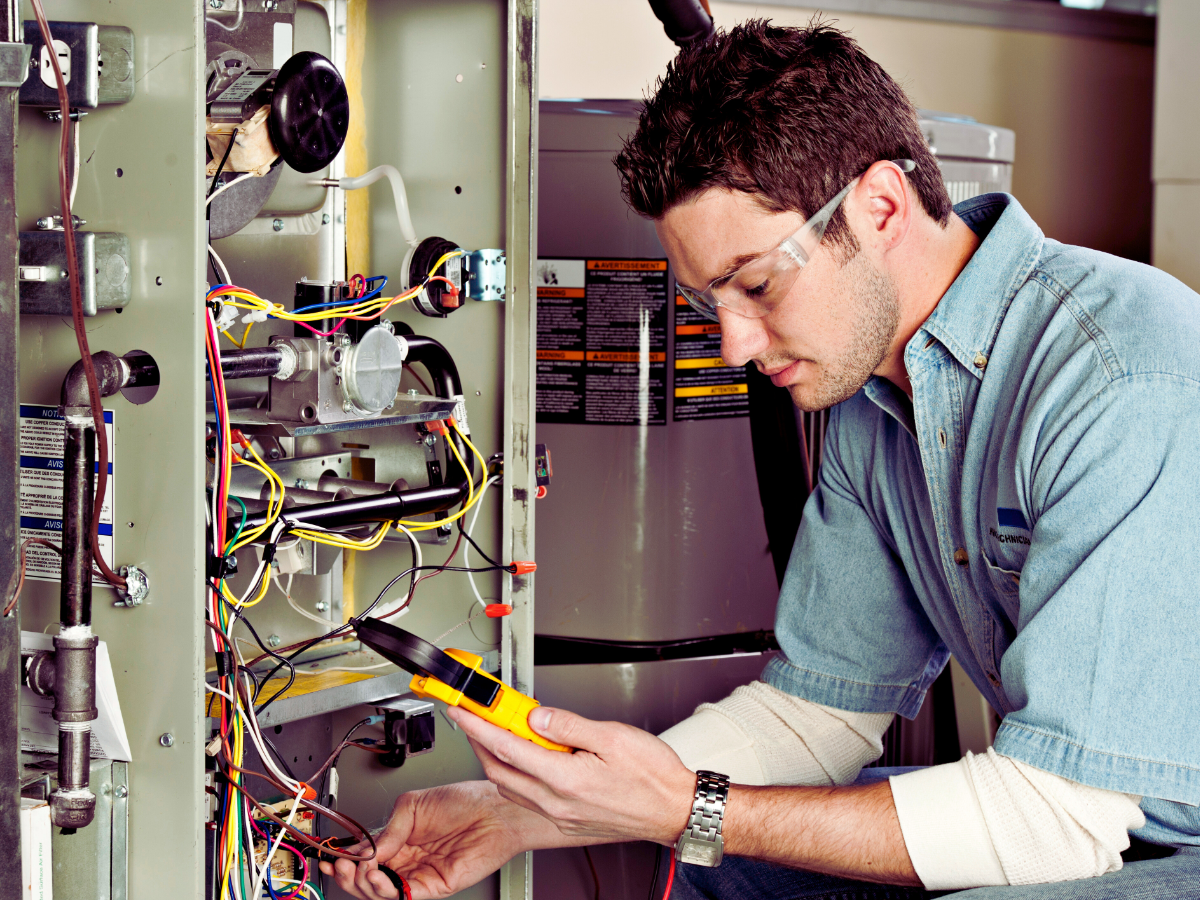 You can look at sizing charts all day long, but they aren’t going to give you a precise answer for your home. This is because each house has different insulation levels and airflow requirements that directly affect choosing the right size furnace.
DIY and rule-of-thumb estimates lead to guesswork that risks undersizing or oversizing the furnace, which can result in:
- Higher energy bills
- Poor indoor comfort
- Shortened equipment lifespan
- Frequent cycling issues
- Uneven room heating
- Costly future repairs
What Is a Manual J Load Calculation? (And Why It Matters)
Professional furnace sizing is much more accurate because it uses a combination of measurements and industry-approved calculations. For example, the Manual J load calculation gives precise BTU requirements for heating capacity.
Here’s what a Manual J load calculation measures:
- Home square footage
- Room-by-room dimensions
- Insulation levels
- Window/door size and type
- Air leakage rates
- Ductwork condition
- Sun exposure
- Shading around home
- Ceiling height
- Number of occupants
- Appliance heat gains
- Lighting heat gains
- Local climate data
Here at Jacksonville One Hour, we rely on Manual J because it’s the only ACCA-approved method for accurate furnace sizing.
Signs Your Current Furnace Is the Wrong Size
A furnace that isn’t the right size will give you plenty of warning signs.
You should call us right away if you notice any of the following:
- Inconsistent room temperatures
- Frequent on-and-off cycling
- Furnace running longer than it should
- Uncomfortable conditions during colder weather
- Excessive noise or airflow issues
FAQ: What Size Furnace Do I Need?
How many BTUs do I need per square foot?
Homes in colder climates typically need 40 to 60 BTUs per square foot; however, in Jacksonville, where it tends to stay mild throughout the winter, the normal BTU requirement is 25 to 30 per square foot.
Is it bad to get a furnace that’s too big?
Yes, a furnace that’s too big will short-cycle, meaning it will turn on and off frequently without completing a full heating cycle. This not only wastes energy but also creates uneven temperatures.
Can a furnace be too small for a house?
Yes, and when this happens, the unit will have to run constantly to keep the home warm. This puts a lot of wear and tear on the equipment and increases your heating costs.
Does climate affect furnace size?
Absolutely. Warmer climates need smaller-sized furnaces because they don’t experience long periods of freezing temperatures. This means they don’t require high heating output.
How do I know what size furnace my home currently has?
Your furnace should have a label on it that shows you its BTU rating. But it’s a good idea to let our technicians perform a combustion analysis to determine the system’s actual output. This will inform you of whether or not it’s the correct size for your home.
Do heat pumps follow the same sizing rules as furnaces?
Heat pumps and furnaces both get sized using a Manual J load calculation. However, for heat pumps, we size them using the heating and cooling loads.
Does the AFUE rating affect furnace size?
No. AFUE measures efficiency, not capacity. Furnace size is determined by a Manual J load calculation and your home’s heating needs, not the AFUE percentage.
Get the Right Furnace Size with One Hour Heating & Air Conditioning
 Getting the correct size furnace for your home will make a big difference in how comfortable it stays. It will also reduce wear and tear on the heating equipment and help keep your heating costs affordable. At Jacksonville One Hour, we have extensive experience doing Manual J calculations and sizing furnaces for both large and small homes.
Schedule a consultation for furnace sizing or replacement today by calling Jacksonville One Hour. We’re always on time, or you don’t pay a dime!